
The Peak district
A Neurodiversity Informed Family Guide
The Peak District is expansive and grounding, shaped by open landscapes, quiet villages, and wide skies rather than constant movement. It can feel deeply calming and restorative, but the scale and remoteness can also feel demanding if days are overfilled or poorly paced.
This guide reflects our experience visiting the Peak District as a family, choosing quieter bases and shaping days around energy, weather, and flexibility. Rather than trying to cover large distances or see everything, we focused on slower days, familiar routes, and time outdoors balanced with rest. Approaching the Peak District with intention allowed it to feel spacious and supportive rather than tiring or overwhelming.
Getting There and Arrival
Arriving in the Peak District often involves rural roads, winding routes, and limited signage in some areas. While this can feel calm, it can also feel tiring if arrival is rushed or overplanned.
Allowing extra time for arrival, keeping travel days light, and avoiding late evening arrivals helped reduce pressure. Knowing we had clear parking at our accommodation removed uncertainty and allowed the transition into the stay to feel slower and more settled.
Getting Around the Peak District
Movement in the Peak District relies more heavily on driving, walking routes, and planning distances in advance. Villages and trails are spread out, and days can become demanding if too much is planned.
Staying in one main base helped create familiarity and reduced daily decision making. Using the car for short, intentional outings rather than long multi stop days kept energy levels steadier. Returning to familiar routes and places supported regulation.
Structure and Daily Rhythm
The Peak District worked best with a simple, flexible daily rhythm. Planning one main activity per day, such as a walk, village visit, or time outdoors, helped avoid fatigue.
Mornings often felt calmer and better suited to walking or exploring. Afternoons worked best with slower pacing, rest, or time back at accommodation. Treating travel and changeover days as low expectation days supported smoother transitions.
Sensory Considerations
The Peak District is generally lower sensory than busy towns, but it comes with its own considerations related to scale, weather, and exposure.
What to be aware of
• Open landscapes and wide spaces can feel grounding but also overwhelming for some
• Weather changes can be sudden and affect comfort and plans
• Longer distances and uneven terrain can increase physical fatigue
What helped
• Choosing well marked, familiar walking routes
• Building in rest and shorter outings
• Returning to accommodation between activities
• Using villages and cafés as gentle anchor points
The quiet, open air, and natural sounds of the landscape provided consistent grounding when days were paced gently.
Where We Visited
Our Visits and Support in Practice
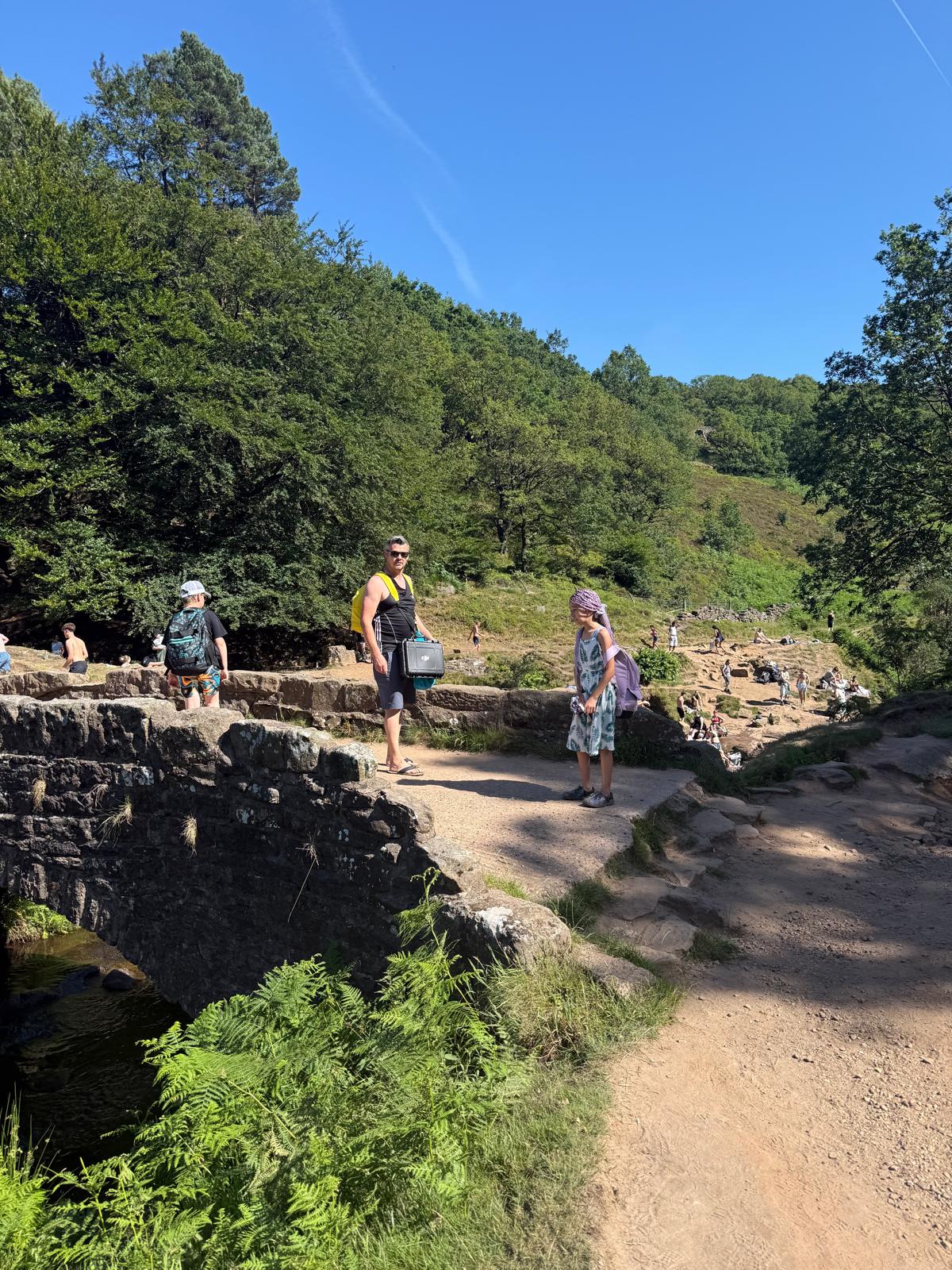
Our experience of the Peak District comes from a series of day trips from the Staffordshire side rather than overnight stays. Approaching the area this way allowed us to benefit from the landscape and sense of space without the added pressure of unfamiliar accommodation or extended travel days.
Day trips worked particularly well here. We could arrive with intention, spend time outdoors at a manageable pace, and leave when energy levels began to dip. This kept the experience restorative rather than tiring and reduced the risk of pushing past regulation.
We focused on quieter, open locations that offered clear routes and natural grounding. The Roaches stood out in particular. Approaching from the Staffordshire side gave easy access to wide views, steady paths, and plenty of space to pause. The openness of the landscape allowed for gentle movement without pressure to complete a set route or keep moving.
Other visits included well known Peak District locations such as Dovedale and the Monsal Trail, both of which offered predictable terrain and the option to turn back at any point. Choosing well marked paths reduced decision making and helped structure the day without overplanning.
Food and rest stops were also an important part of regulation. Traditional countryside pubs offered calm, contained spaces to pause and reset. We found places like The Three Horseshoes particularly supportive, with a slower pace, clear structure, and the option to sit quietly without pressure to rush. These stops acted as anchors between walks and helped break the day into manageable sections.
Rather than trying to cover multiple locations in one visit, we treated each day trip as having one main focus. This reduced transitions and allowed the Peak District to feel spacious and supportive rather than overwhelming.
What helped:
• Visiting as day trips rather than overnight stays
• Approaching from the Staffordshire side for easier access
• Choosing one main location per visit
• Open landscapes with space to pause and regulate
• Clear, well marked walking routes
• Short walks with the option to extend if energy allowed
• Calm pub stops acting as anchor points
• Being able to leave before fatigue built up
Neurodivergent access and inclusion in the Peak District
As with the rest of the UK, neurodivergent access in the Peak District is supported primarily through national legislation rather than destination specific schemes.
Across the areas we visited, these protections applied to public spaces, cafés, pubs, and facilities.
What is standard and protected in the UK:
• Assistance dogs are legally allowed in almost all public places, including pubs, cafés, transport, and visitor facilities
• Businesses are not permitted to refuse entry to guide dogs or assistance dogs
• There is no requirement to explain or justify invisible disabilities
• Equality Act protections apply to neurodivergent people, including autism and ADHD
• Taking breaks, stepping away, or opting out is generally accepted and unchallenged
In practice, this meant we could move at our own pace, step away when needed, and choose quieter seating or outdoor areas without drawing attention or needing to advocate repeatedly.
The Peak District worked particularly well in this respect. Space, fresh air, and slower rural pacing reduced sensory load naturally, and support came through choice, timing, and environment, rather than formal adjustments..
Things to See (Gently)
The Peak District offers vast landscapes and many places to explore, but approaching it selectively helped the experience feel more balanced. Choosing when to visit, where to spend time, and how long to stay made it easier to enjoy the space without becoming fatigued or overwhelmed.
Rock formations and open landscapes
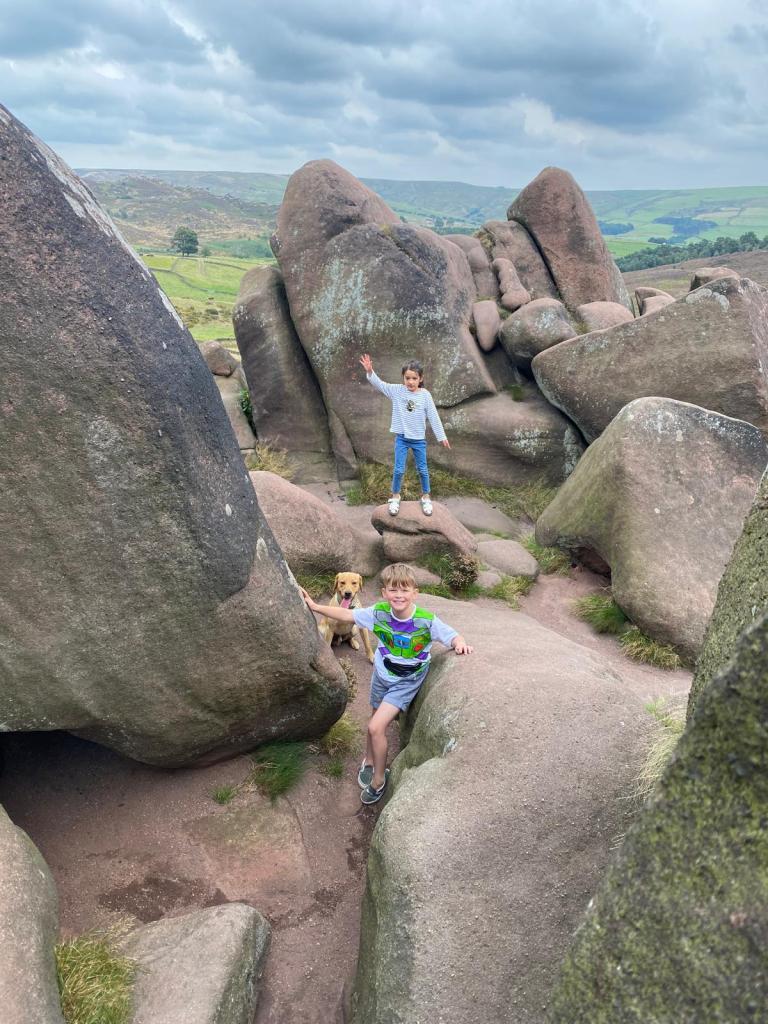
Places like the Roaches offered wide open views and natural pauses. Large rock formations allowed space to move, stop, and explore at an individual pace without the pressure of a fixed route. Being able to climb, sit, or simply look around supported movement without expectation.
Water and contained natural features
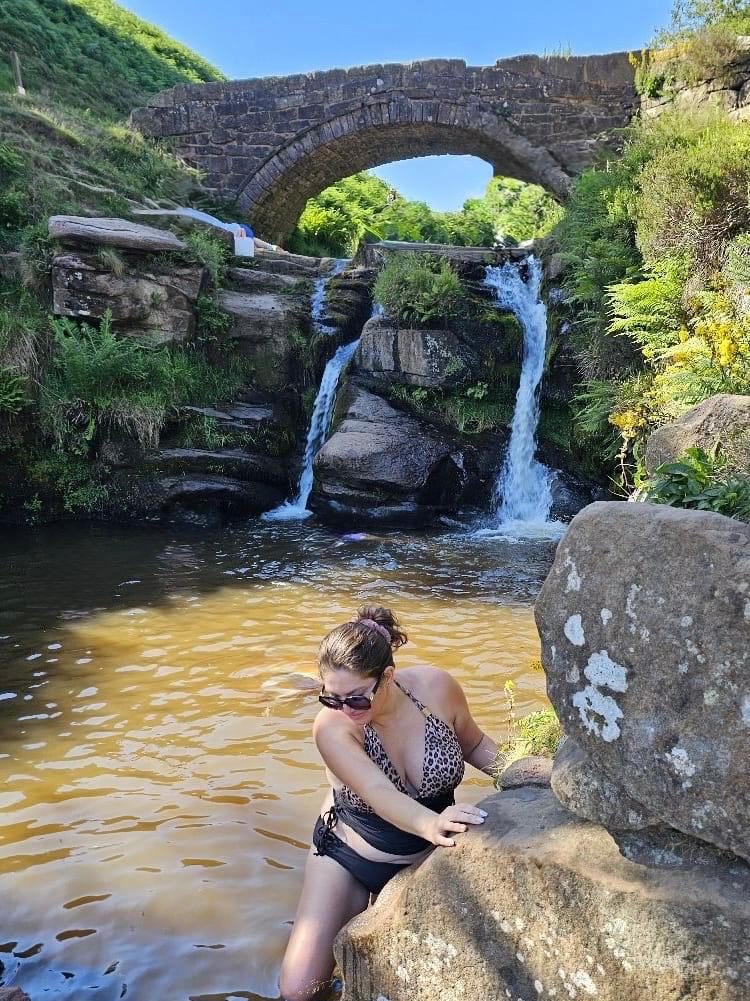
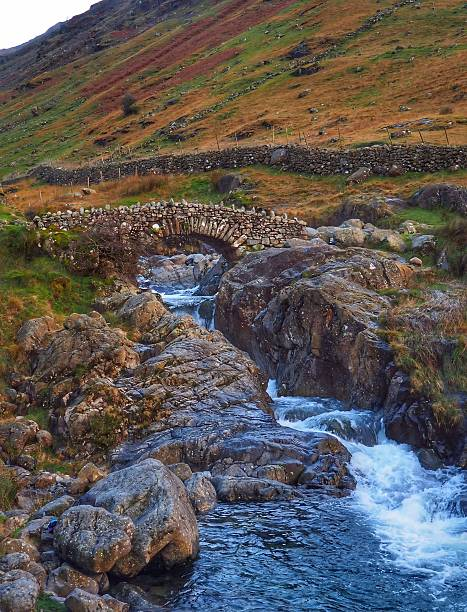
Spending time near water, such as at Three Shires Head, created a clear sensory anchor. The sound of flowing water, natural boundaries, and the option to stay close or step back made the space feel grounding rather than demanding. These locations worked best when visited without rushing and with time to pause.
Woodland and water based pauses
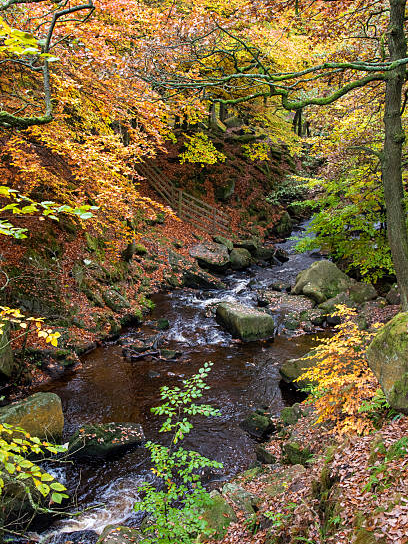
Places with flowing water and partial enclosure, such as Three Shires Head, provided a different kind of calm. The sound of water created a steady sensory anchor, while natural boundaries made it easier to stay present without needing to decide where to go next. These spots worked best when approached slowly, with time to sit, watch, and regulate rather than move on quickly.
Woodland and water based pauses
Places with flowing water and partial enclosure, such as Three Shires Head, provided a different kind of calm. The sound of water created a steady sensory anchor, while natural boundaries made it easier to stay present without needing to decide where to go next. These spots worked best when approached slowly, with time to sit, watch, and regulate rather than move on quickly.
When, Where, and How The Peak District Works Best
When the Peak District works best
• Late spring and early summer May to early July offers longer daylight, quieter paths, and manageable temperatures for outdoor time.
• Early autumn September often feels calmer, with fewer visitors and comfortable conditions for walking and exploring.
Hardest period
• School holidays and warm summer weekends, when popular locations and car parks become much busier.
Where the Peak District works best
• Open moorland and wide viewpoints These offer space to move, pause, and regulate without crowd pressure.
• Woodland and river areas Natural enclosure and water sounds provide grounding and reduce sensory load.
• Well marked trails and flatter routes Clear paths reduce decision making and support flexible pacing.
Areas that can feel harder
• Popular honeypot sites at peak times
• Narrow paths or car parks during busy weekends
How the Peak District works best
• Visit as short, intentional day trips
• Choose one main location per visit rather than moving between multiple places
• Use familiar routes or clearly defined paths
• Build in pauses, rest, and time to sit rather than constant movement
• Leave before fatigue builds rather than pushing to finish
The Peak District works best when space, choice, and pacing are prioritised over distance or achievement.
What We’d Do Again & What We’d Do Differently
We would continue to approach the Peak District as a series of intentional day trips, choosing quieter locations and keeping plans simple. Visiting outside peak times, focusing on one place per visit, and allowing space to pause worked well.
The only small change we would make next time is to travel lighter. Rather than carrying a full picnic, we would choose to stop at a local pub instead. Having a warm, settled place to rest and eat felt easier and less demanding, and supported regulation better than carrying everything with us.
If you want, I can soften this even further or make it more practical and checklist style.
Alchemy Souls Calm Anchors for Looe
• Preparation as an anchor
Wearing walking boots and carrying water made the environment feel more predictable and contained. Knowing we were physically comfortable reduced background stress and allowed attention to stay on the landscape rather than on discomfort or fatigue.
• Landscape as an anchor
Open moorland, wide views, and steady paths provided space to move without pressure. Walking at an unhurried pace, stopping when needed, and sitting to take in the surroundings supported natural regulation throughout the day.
• Timing as an anchor
Early mornings and evenings changed the experience significantly. Visiting the harbour and beaches outside peak hours reduced sensory load and made movement through the town feel more manageable.
Final Thoughts
The Peak District offers space, quiet, and natural grounding, but it works best when approached with intention. Allowing time to slow down, choosing where to spend energy, and leaving space for rest helped the landscape feel supportive rather than demanding.
This guide reflects what worked for us through day visits, not as a rulebook, but as a reference for families considering whether the Peak District might suit their needs, and how to experience it in a way that feels calm, flexible, and restorative.
Building calmer travel, together
Our destination guides help individuals and families find places that genuinely support regulation and wellbeing. We also collaborate with travel operators who value inclusive, thoughtful experiences and want their spaces reviewed with care and honesty.
 Alchemy Souls Travel