
The Eden Project
A Neurodiversity Informed Family Guide
The Eden Project offers a highly immersive experience, with vast biomes, living landscapes, and sensory rich environments that bring global ecosystems to life. The scale, warmth, sound, and visual detail can feel inspiring and uplifting, but also intense if experienced without intention.
Approached gently, the Eden Project can work well for families and individuals who benefit from structure, predictability, and clear expectations. Knowing what environments to expect, moving at your own pace, and allowing time to pause, step outside, or rest between biomes makes a significant difference in keeping the visit enjoyable rather than overwhelming.
Arrival and Entry Experience
Arriving at the The Eden Project feels different from city attractions, but the scale of the site and volume of visitors can still feel demanding at peak times.
Allowing extra time for arrival, booking timed entry in advance, and approaching the entrance without rushing helped reduce pressure. Knowing where to go on arrival and understanding the general layout made the transition into the visit feel calmer and more contained.
Flow of the Experience
The Eden Project is not linear in the same way as a museum or studio tour. Visitors move between outdoor spaces and large biomes, with freedom to choose routes and order.
This flexibility worked best when we approached the site slowly. Choosing where to go first, allowing others to move ahead, and spending longer in fewer areas helped avoid decision fatigue and kept the experience regulated.
How We Structured the Visit
The visit worked best when treated as the main focus of the day rather than something to rush through. We did not aim to see every area or exhibit.
Breaking the visit into sections, moving between indoor and outdoor spaces, and building in regular pauses helped manage energy. Treating the day as flexible rather than goal led supported smoother transitions and reduced fatigue.
Sensory Considerations
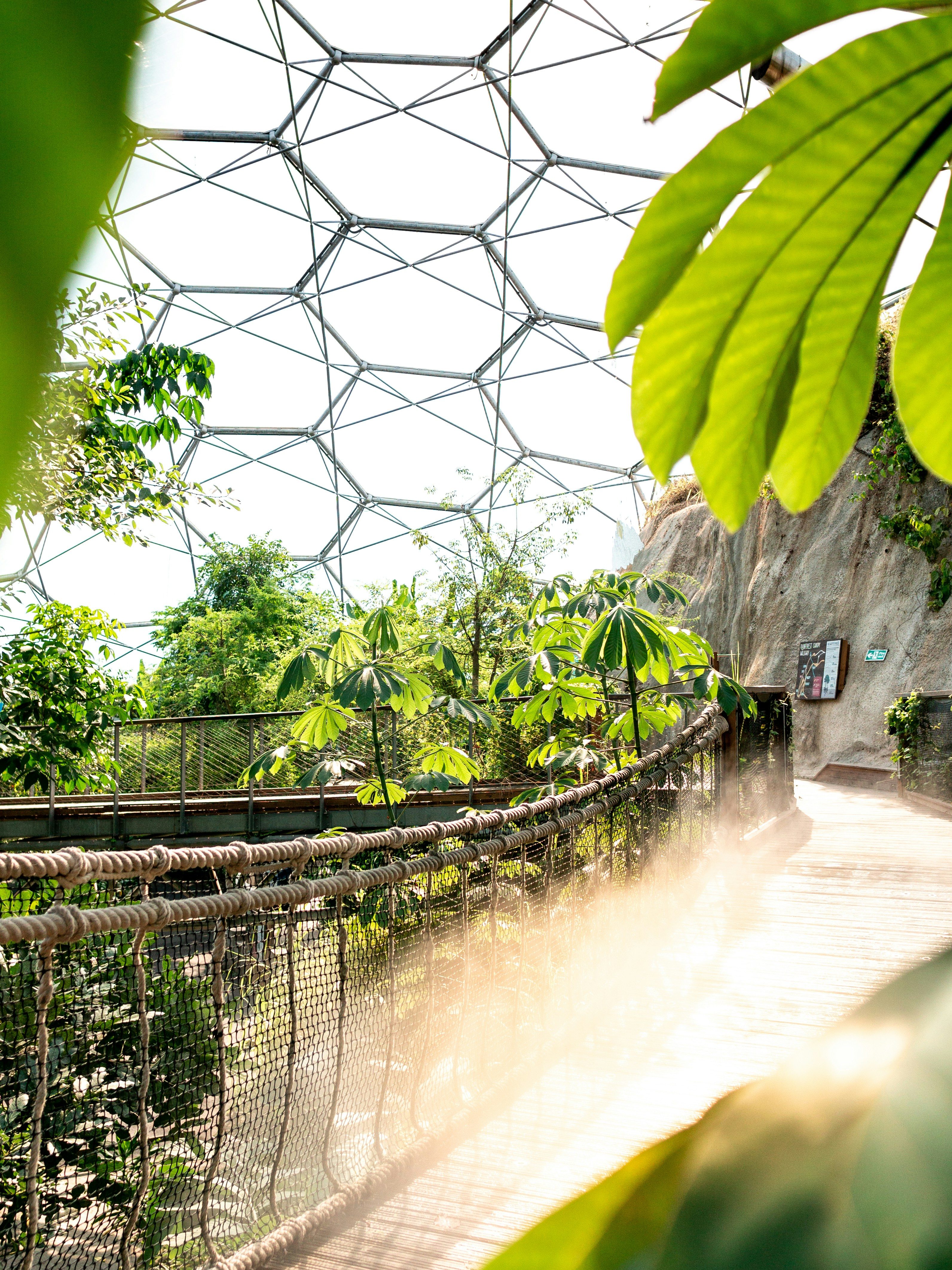
The Eden Project is highly sensory, with changes in temperature, humidity, sound, and visual input, particularly inside the biomes.
What to be aware of
• Warm, humid environments inside the rainforest biome
• Echoing sounds and visitor noise within enclosed spaces
• Large open areas requiring sustained walking
What helped
• Moving between indoor and outdoor spaces to regulate temperature and stimulation
• Taking breaks in open air areas or seating spaces
• Choosing fewer areas to explore rather than covering the whole site
• Allowing time to sit, pause, or step away when needed
Balancing movement with rest, and indoor spaces with open air, helped keep the visit enjoyable without becoming overwhelming.
The feel of the Experience
The Eden Project is a large scale, sensory rich environment that combines expansive outdoor space with enclosed biomes. Changes in temperature, humidity, sound, and visual detail are part of the experience and can feel immersive and inspiring, but may also become intense if taken too quickly or during busy periods.
Movement through the site is flexible rather than linear. Transitioning between open air paths and enclosed environments creates natural breaks in stimulation, which helped support regulation. Knowing that stepping outside or changing direction was always an option reduced pressure and uncertainty.
Within the biomes, details draw attention at different levels. Areas such as the butterfly environment introduced gentle, slow movement that created a softer sensory rhythm. For some, this felt calming and absorbing. For others, the closeness of butterflies may feel unexpected, particularly if personal space is important. Being able to pause at the edge, observe briefly, or move on supported choice and control.
What made the experience manageable was the freedom to control pace. Moving slowly, taking breaks, sitting down, or leaving a space early when energy shifted allowed regulation to happen naturally. When the visit was approached without pressure to see everything, the environment felt engaging rather than overwhelming.
Experienced gently and in sections, the Eden Project allowed space for curiosity, rest, and recovery, making it possible to enjoy the richness of the setting without tipping into sensory overload.
Our Visit
Our visit to the Eden Project was approached as a single, intentional day rather than something to rush through. From the outset, we chose to slow the pace and let the environment lead, which helped the experience feel calmer and more manageable.
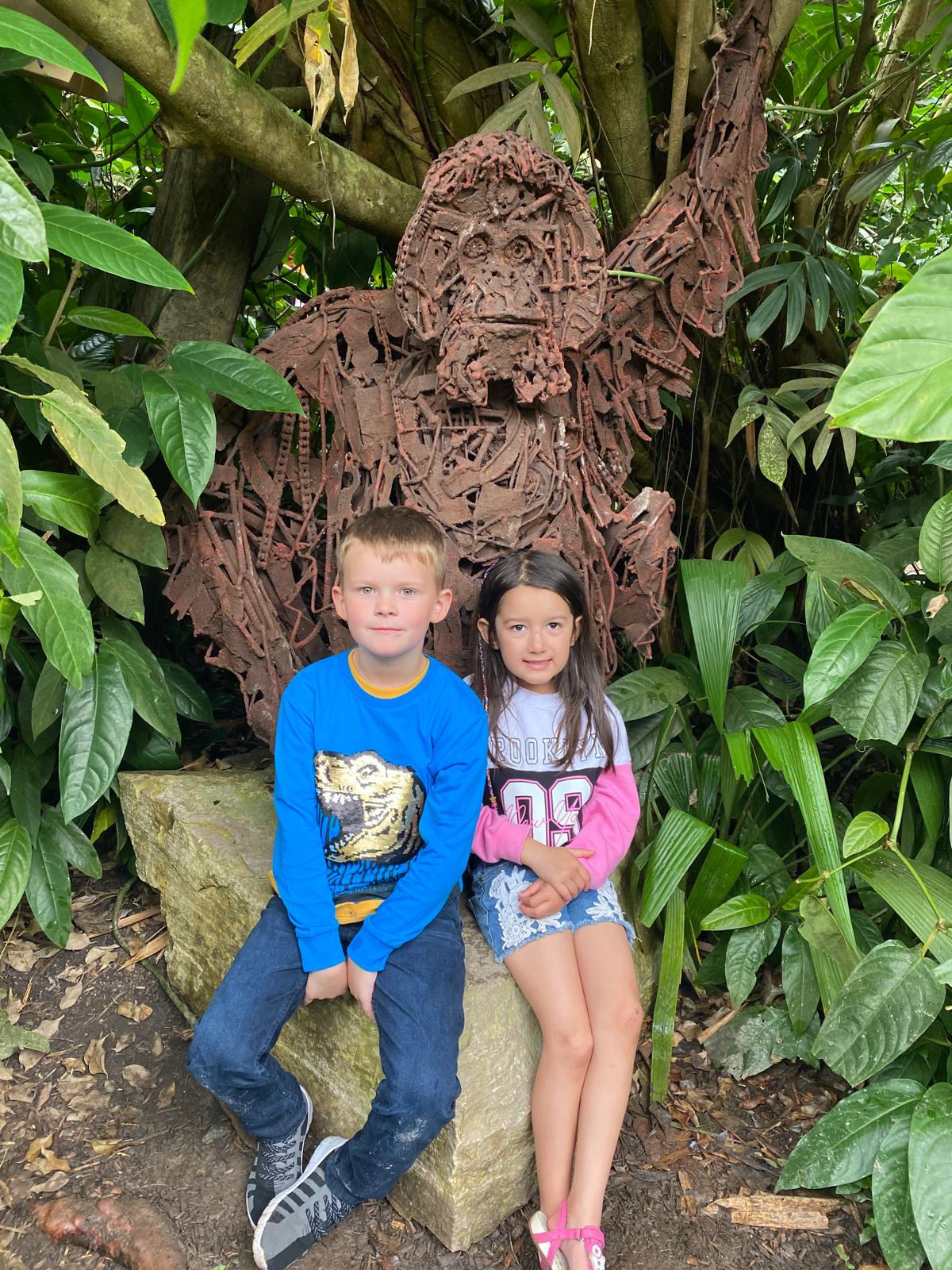
We deliberately chose not to try to see everything. Instead, we moved through the site in sections, spending longer in areas that felt grounding and moving on more quickly from spaces that felt busier or more demanding. Letting interest and energy guide where we paused made a noticeable difference to how regulated the visit felt.
What worked particularly well was the freedom to pause. Sitting down, stepping aside, or stopping to observe helped regulate sensory input as it built, especially within the biomes where temperature, sound, and visual detail shift quickly. Knowing there was no fixed route or expectation to keep moving reduced pressure and supported a more relaxed experience.
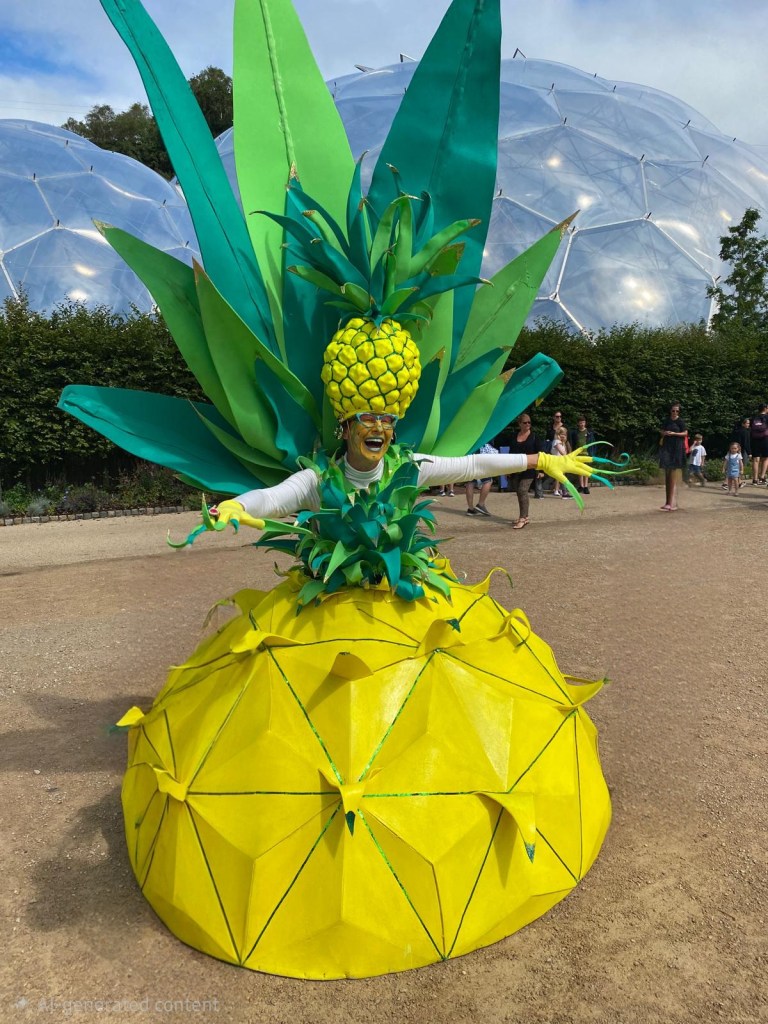
Throughout the day there were also small, pop up performances and character moments happening around the site. These were informal and short, often appearing briefly and then moving on. This worked well because there was no pressure to gather, watch, or participate. We could observe from a distance, engage briefly, or continue walking, which supported choice and control. Rather than adding to overload, these moments felt like optional points of colour and interest.
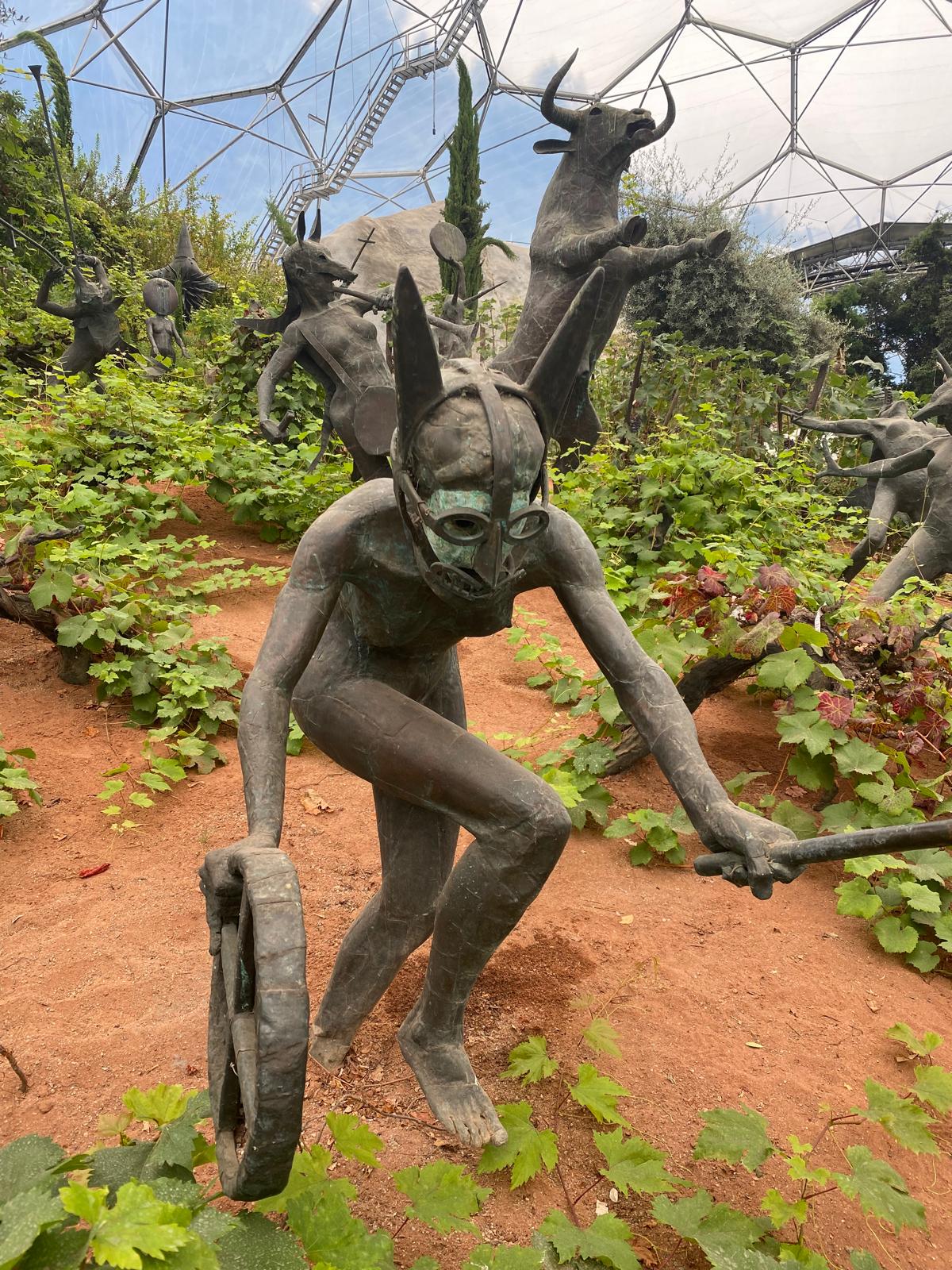
We were also mindful of energy beyond the visit itself. Planning recovery time afterwards meant there was no need to push through fatigue. Having a clear sense that the day did not need to be maximised or completed helped the experience remain enjoyable rather than exhausting.
What surprised us most was how manageable the Eden Project felt when approached gently. Despite the scale of the site and the richness of the environments, the ability to control pace, move between indoor and outdoor spaces, and step away when needed allowed the visit to feel engaging without becoming overwhelming.
This experience reinforced the value of pacing, permission, and letting go of the idea of doing everything. When those elements were in place, the Eden Project felt accessible, supportive, and genuinely enjoyable for our family.
How This Experience Works Gently
How the experience is structured
The Eden Project is not a single linear route. Instead, the site is made up of large outdoor spaces and distinct biomes that visitors move between freely.
This open structure offers choice, but can also increase decision making. Approaching the site in sections, and choosing where to go next rather than trying to cover everything, helped reduce uncertainty and keep the experience manageable.
Transitions between indoor and outdoor areas created natural breaks in stimulation, allowing regulation to happen as the day progressed.
How to approach this visit gently
This visit worked best when treated as a full day experience rather than something to rush through. Letting go of the idea of seeing every area reduced pressure significantly.
Moving slowly, pausing often, and spending longer in fewer spaces helped manage energy. Sitting down, observing, or stepping outside when needed prevented stimulation from building too quickly.
Allowing interest and energy to guide the pace, rather than following a set plan, helped the experience feel supportive rather than demanding.
When this experience may feel harder
The Eden Project can feel more demanding during peak visitor periods such as school holidays and busy weekends, when footfall increases across the site.
Inside the biomes, changes in temperature, humidity, sound, and visual detail can build sensory load over time. Spending shorter periods inside and taking breaks outdoors helped manage this.
Large distances between areas also require sustained walking, which may add to fatigue if rest is not built in.
Neurodivergent Access and Inclusion in the UK
In the UK, neurodivergent access and inclusion are primarily supported through national legislation rather than individual attractions. This creates a consistent baseline of protection across public spaces, visitor attractions, transport, and services.
At UK attractions, this means access is not dependent on formal programmes or disclosure, but on established legal rights and reasonable expectations.
What is standard and protected in the UK:
• Assistance dogs are legally allowed in most public places, including visitor attractions, transport, cafés, and indoor venues
• Businesses are not permitted to refuse entry to guide dogs or assistance dogs
• There is no requirement to disclose or explain invisible disabilities in order to access legal protections
• Equality Act protections apply to neurodivergent people, including autism and ADHD
• Visitors are entitled to reasonable adjustments where appropriate
• Stepping away, pausing, or opting out of parts of an experience is widely accepted
These protections reduce the need for constant advocacy and help create predictability, even in busy or highly stimulating environments.
How this typically shows up in practice
• Visitors moving at different paces is generally accepted
• Taking breaks or leaving an area temporarily is socially and practically permitted
• Staff are usually accustomed to a range of access needs, even if awareness varies
• There is no expectation to complete an experience in a particular way
This means support comes from rights, flexibility, and permission, rather than from specialised schemes, allowing families to engage in ways that suit their needs.
Alchemy Souls Calm Anchors for The Eden Project
• Structure as an anchor
The Eden Project is organised into clearly defined zones, with distinct biomes and outdoor areas. Knowing where one environment ended and another began helped reduce uncertainty. Moving between indoor and outdoor spaces created natural breaks in stimulation and supported regulation across the day.
• Pace as an anchor
Being able to choose our own pace made a significant difference. Spending longer in fewer areas, moving slowly, and stepping outside when needed allowed energy to be managed naturally. The freedom to linger or move on without pressure helped the visit feel supportive rather than rushed.
• Permission to pause as an anchor
Giving ourselves permission to sit down, step aside, or leave a space early prevented stimulation from building too quickly. Knowing there was no expectation to see everything or follow a set route helped the experience feel flexible and kind, rather than demanding.
Final Thoughts
The Eden Project offers a rich and immersive environment that invites curiosity, movement, and connection with nature. It can feel inspiring and expansive, but it also asks for intention, particularly around pacing and energy.
When approached gently, with flexibility and permission to pause, the experience can be shaped in ways that feel supportive rather than overwhelming. Moving between open air spaces and enclosed environments, choosing where to linger, and letting go of the idea of seeing everything helped the visit remain enjoyable and manageable.
This guide reflects what worked for us, not as a rulebook, but as a reference for families considering whether the Eden Project might suit their needs. Approached with care and curiosity, it can be experienced in a way that feels calm, inclusive, and genuinely rewarding.
Building calmer travel, together
Our destination guides help individuals and families find places that genuinely support regulation and wellbeing. We also collaborate with travel operators who value inclusive, thoughtful experiences and want their spaces reviewed with care and honesty.
 Alchemy Souls Travel