
Sensory Friendly UK Destinations
Alchemy Souls UK destination guides explore places through a neuroinclusive, family led lens, focusing on how a place feels to spend time in rather than how it appears online.
These guides are designed as sensory aware travel resources shaped by real family experience, not idealised reviews. We look closely at atmosphere, access, noise levels, lighting, crowd patterns, availability of quieter spaces, and how easy it is to move at a comfortable pace. Equal attention is given to whether a destination allows rest, reset, and opting out without pressure.
The aim is to support families and individuals in making informed, confident choices about UK destinations that genuinely support regulation, comfort, and enjoyment, not just a good experience on paper.
The feel of the Experience
What makes a UK destination sensory friendly
A sensory friendly UK destination supports calm movement, manageable pace, and a sense of control within familiar but often busy environments.
Clear layouts, access to quieter areas, predictable routines, and the ability to step away from crowds help reduce sensory and cognitive load.
Places that allow visitors to choose how much they engage, rather than pushing constant activity, tend to feel more regulating.
Why sensory awareness matters closer to home
UK destinations can still feel overwhelming, particularly where noise, queues, crowds, and tight schedules dominate the experience.
Sensory aware environments allow the body and mind to settle without needing to stay alert or adapt constantly.
When destinations support regulation, visits feel more sustainable and enjoyable for families and individuals alike.
Types of UK destinations that often feel more manageable
Calmer experiences are often found in countryside locations, coastal towns, contained resorts, and places designed around space rather than speed.
Destinations with walkable layouts, natural environments, and clear separation between busy and quiet areas tend to feel more predictable.
It is less about where the destination is, and more about how it is structured and paced.
Choosing a UK destination with sensory needs in mind
Looking beyond attractions to consider crowd levels, access, and daily logistics can make a significant difference.
Visiting outside peak times, staying close to key locations, and prioritising flexibility all help reduce unnecessary pressure.
If planning the visit already feels stressful, the destination may require more energy than it gives back.
Sensory Friendly UK Destinations
Not all meaningful travel is far from home. These UK days out and short breaks focus on ease, flexibility, and low-pressure experiences.
Looe
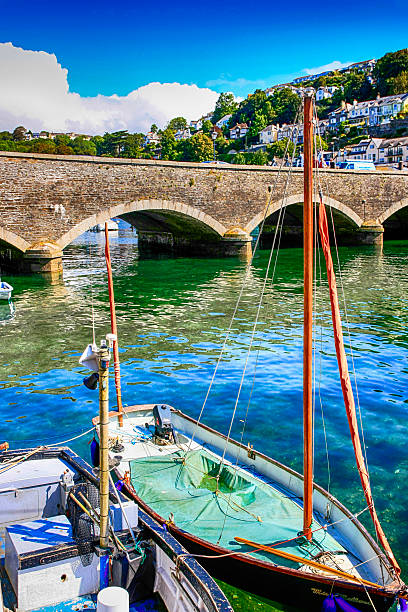
Looe offers a gentle sense of space and familiarity, shaped by its harbour, coastline, and slower coastal rhythm. Time by the sea, watching boats and tides, and moving at a walkable pace naturally supports calmer days and easier regulation. When visited outside peak times, or explored early in the day, Looe can feel restorative rather than busy, allowing families to settle into simple routines and enjoy the environment without pressure.
St. Ives
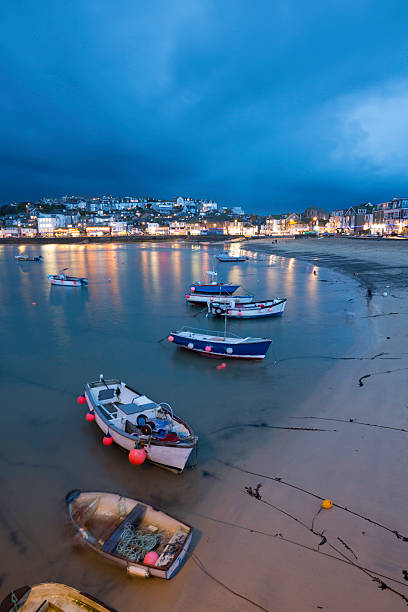
St. Ives is visually striking and full of movement, with beaches, narrow streets, and a lively coastal atmosphere. The sea and open views offer moments of calm, but the town’s compact layout and popularity mean stimulation can build quickly, particularly at peak times. Visiting earlier in the day, choosing quieter beaches or routes, and allowing space to step away can help St Ives feel inspiring rather than overwhelming, supporting a more balanced and enjoyable experience.
Peak District

The Peak District offers expansive landscapes and a natural quiet that encourages slowing down. Wide open spaces, steady walking routes, and the absence of constant noise or crowds support a more regulated pace, allowing families to move without pressure. When days are shaped around gentle walks, pauses, and time outdoors rather than destinations to reach, the Peak District can feel deeply restorative and grounding.
London

London is layered, fast moving, and full of contrast. The city offers green spaces, familiar landmarks, and moments of calm, but stimulation can build quickly through crowds, noise, and constant transitions. Approaching London with intention planning fewer activities, choosing quieter routes and times, and building in regular pauses can help the city feel more manageable, allowing families to engage without becoming overwhelmed.
Llangollen
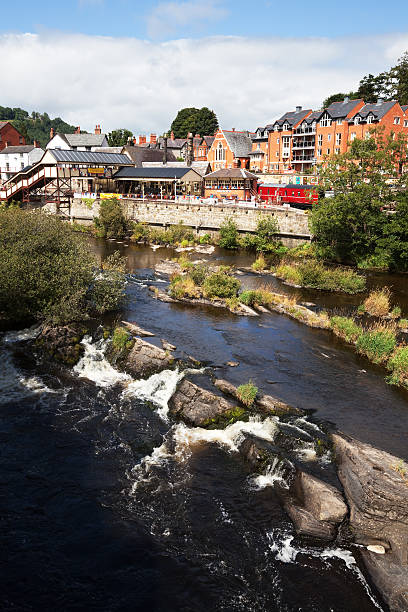
Llangollen offers a slower, quieter rhythm shaped by water, hills, and open space. The town’s small scale, walkable layout, and close connection to nature naturally support calmer days and easier regulation. Time by the river or along the canal, without the pressure of constant activity, allows families to move gently and settle into a pace that feels grounding rather than demanding.
Get Early Access to Our Guides
We’re building a growing collection of neurodiversity informed travel guides, created from lived experience and designed to support calmer, more manageable trips.
More UK Destinations and resort guides are coming soon.
Subscribers will receive early access, plus bonus planning checklists and practical tools before they’re released publicly.
If slower, more thoughtful travel matters to your family, you’re welcome to join us.
How to use these guides
These destination guides aren’t designed to be read all at once. Dip in where you’re curious, and take what’s useful for your own family. Each guide shares what worked well for us, where adjustments helped, and how we approached pace, rest, and sensory load not as rules, but as reflections.
Building calmer travel, together
Our destination guides help individuals and families find places that genuinely support regulation and wellbeing. We also collaborate with travel operators who value inclusive, thoughtful experiences and want their spaces reviewed with care and honesty.
 Alchemy Souls Travel