
Sensory Friendly Attractions
Alchemy Souls attraction guides explore places through a neuroinclusive, family led lens, focusing on how an attraction feels to spend time in rather than how it is presented online.
These guides are designed as sensory aware resources shaped by real family experience, not idealised reviews. We look closely at atmosphere, access, noise levels, lighting, crowd flow, availability of quieter areas, and how easy it is to move through the space at a comfortable pace. Equal attention is given to whether visitors can pause, rest, or step away without pressure.
The aim is to help families and individuals make informed, confident choices about attractions that genuinely support regulation, comfort, and enjoyment, rather than relying on positive descriptions alone.
The feel of the Experience
What makes an attraction sensory friendly
A sensory friendly attraction focuses on how it feels to move through the space, not just what is on display. Calm comes from predictability, clear layouts, and the ability to control pace.
Wide walkways, clear signage, quieter zones, and defined routes help reduce cognitive and sensory load. Attractions that allow visitors to pause, observe, or step away without pressure tend to feel more manageable.
Access to seating, natural light or softer indoor lighting, and the option to engage without rushing all support a calmer experience.
Why sensory aware design matters
Many attractions are designed for volume and excitement, which can quickly become overwhelming through noise, crowds, and constant stimulation.
Sensory aware environments allow visitors to stay regulated rather than staying alert or braced. This makes it possible to enjoy learning, exploring, or experiencing something new without exhaustion.
When an attraction supports regulation, it becomes more inclusive and more enjoyable for families, children, and adults alike.
Types of attractions that often work well
Sensory supportive experiences are often found in museums, nature led attractions, heritage sites, and large outdoor spaces where movement is spread out.
Places with multiple zones, optional routes, and a mix of indoor and outdoor areas allow visitors to adapt the experience to their energy and sensory tolerance.
It is not about avoiding stimulation entirely, but about having choice and control over how much is taken in.
Tips for choosing attractions thoughtfully
Look beyond marketing language and consider layout, crowd flow, and scale. Reviews that mention busy, loud, or chaotic experiences can be useful indicators.
Checking for quieter times, early entry options, or sensory guides can make a significant difference to how manageable a visit feels.
If planning the visit already feels stressful, it may be a sign the attraction will demand more than it gives back.
Sensory Friendly Attractions
These destinations are shared with honesty including what worked well for our family, where adjustments helped, and what we’d do differently next time.
Harry Potter World
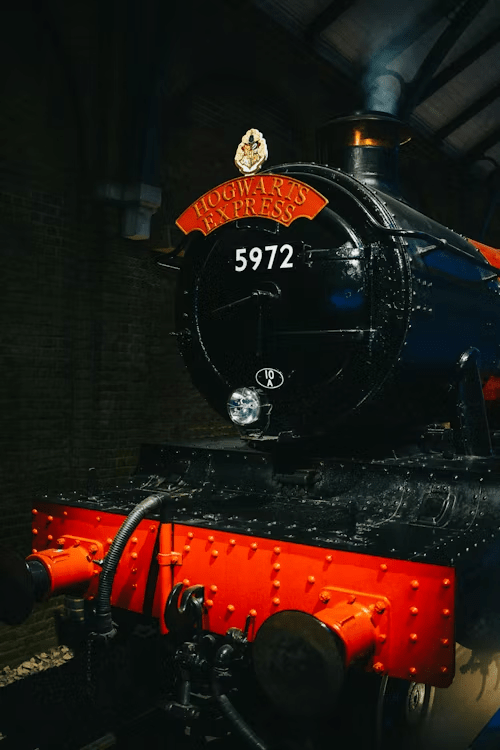
The Warner Bros. Studio Tour offers a highly structured, indoor experience with clear routes and predictable pacing. Timed entry, well signposted spaces, and the option to move at your own speed make it more manageable than a traditional theme park. It’s assistance dog friendly, with quiet corners available if stimulation builds, making it a supportive choice for neurodivergent visitors.
Eden Project
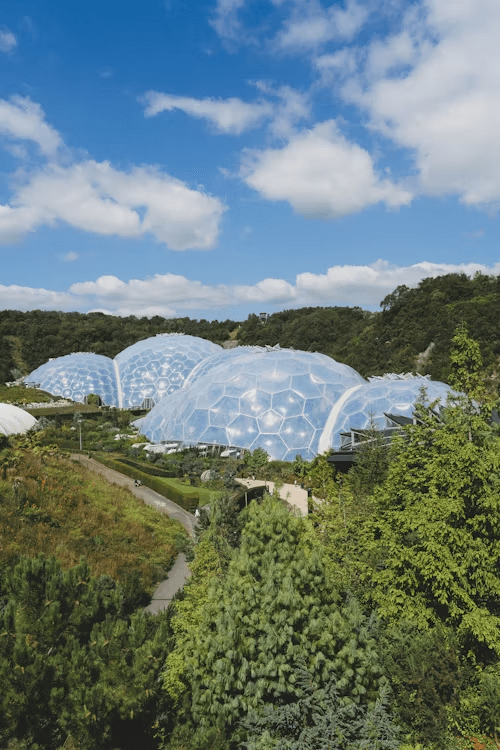
The Eden Project combines large open spaces with immersive natural environments that can feel regulating and grounding. While the biomes can be warm and busy, quieter outdoor areas, gardens, and off peak visits offer a calmer experience. The focus on nature makes it well suited to slower, sensory-aware exploration.
Natural History Museum
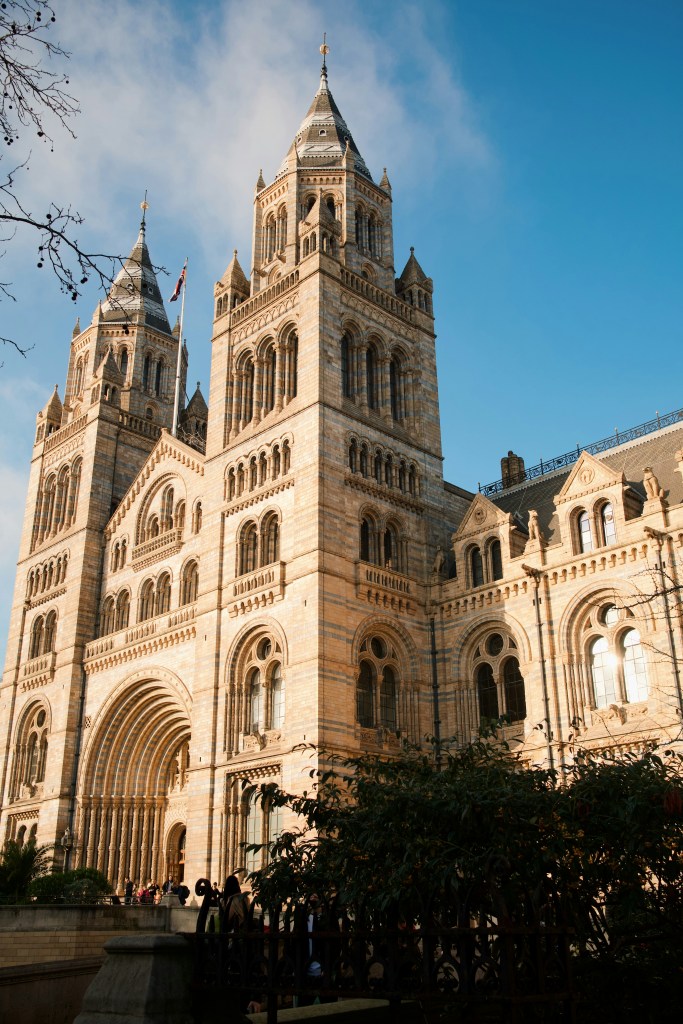
This museum offers predictable layouts, free entry, and the ability to dip in and out of exhibits. Visiting early or during quieter times helps manage crowds, and many families find the clear themes and spacious halls easier to navigate than expected. There are plenty of places to pause and reset.
Science Museum

Hands on and engaging, the Science Museum can be stimulating but rewarding when paced carefully. Choosing specific galleries rather than trying to see everything helps keep visits manageable. Clear signage and accessible facilities support families who need structure and flexibility.
Alton Towers
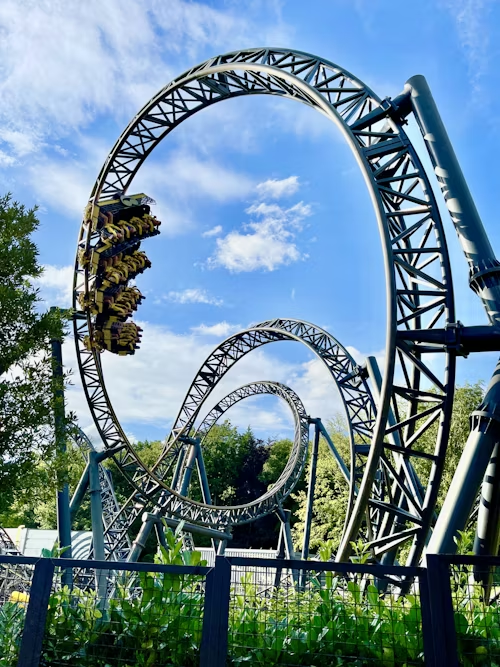
Alton Towers can be intense, but approached thoughtfully it can still work for some families. Using quieter areas, pacing the day carefully, and focusing on gentler attractions helps reduce overwhelm. Accessibility services, rest spaces, and pre-planning routes are key to making the experience more manageable.
Jurassic World
This immersive experience is visually striking and exciting, particularly for dinosaur fans. The route is structured and linear, which can help with predictability, though sound and movement levels may be high at points. Taking breaks and preparing for sensory peaks can make the visit more enjoyable.
Chester race course
Race days can be busy and loud, but quieter events or non-race visits offer a calmer way to enjoy the space. Wide open areas and clear sightlines can help reduce feelings of crowding. Planning arrival and departure carefully is important for sensory comfort.
Stoke City Football Club
Football matches are high energy environments, but structured seating, predictable schedules, and clear routines can help some visitors feel more settled. Choosing seats away from the busiest sections and preparing for noise levels can support a more positive experience.
Chatsworth House

Chatsworth offers a mix of grand indoor spaces and expansive outdoor grounds, allowing visitors to balance stimulation with calm. The gardens, in particular, provide space to slow down and self-regulate. Visiting midweek or outside peak season helps maintain a gentler pace.
Trentham Gardens
Trentham Gardens is well suited to sensory-aware days out, with wide paths, open spaces, and plenty of opportunities to move slowly. The focus on nature, walking, and fresh air makes it an accessible and restorative option for families seeking calm without pressure.
Get Early Access to Our Guides
We’re building a growing collection of neurodiversity informed travel guides, created from lived experience and designed to support calmer, more manageable trips.
More attractions guides are coming soon.
Subscribers will receive early access, plus bonus planning checklists and practical tools before they’re released publicly.
If slower, more thoughtful travel matters to your family, you’re welcome to join us.
How to use these guides
These destination guides aren’t designed to be read all at once. Dip in where you’re curious, and take what’s useful for your own family. Each guide shares what worked well for us, where adjustments helped, and how we approached pace, rest, and sensory load — not as rules, but as reflections.
Building calmer travel, together
Our destination guides help individuals and families find places that genuinely support regulation and wellbeing. We also collaborate with travel operators who value inclusive, thoughtful experiences and want their spaces reviewed with care and honesty.
 Alchemy Souls Travel