
Looe
A Neurodiversity Informed Family Guide
Looe is a small coastal town in Cornwall that feels very different from busy tourist centres. Its scale, pace, and closeness to nature shape the experience far more than attractions or itineraries.
This guide is written from lived neurodivergent family experience. Rather than focusing on what there is to do, we look at how Looe feels day to day, how manageable it is, and what supports regulation through environment and rhythm rather than formal structures.
Getting There and Arrival
Arriving in Looe can feel calmer than larger UK destinations, particularly when travel is planned to avoid peak times.
The town is compact, and once you arrive there is little pressure to keep moving. Allowing arrival day to be slow, with no expectations beyond settling in, helped create a sense of safety and familiarity early on.
Parking and access can be tight during busy periods, so arriving earlier in the day or outside peak season supported a smoother transition.
Getting Around Looe
Looe is highly walkable, which significantly reduces sensory and logistical demands.
Most of what you need is within a short distance. This removes the pressure of constant transport decisions and makes it easier to return to accommodation quickly when rest is needed.
Movement between East and West Looe is predictable and visually clear, which helped reduce disorientation and stress.
Structure and Daily Rhythm
Looe supports repetition and routine.
Days naturally fall into simple patterns: a walk, time by the water, a familiar café, then rest. There is no expectation to fill the day, and doing the same thing twice feels normal rather than limiting.
This predictability helped energy last longer and reduced emotional load.
Sensory Considerations
Looe is generally a lower sensory destination, but it does have moments of intensity.
What to be aware of
• Narrow streets can feel busy at peak times
• Harbour areas become louder during the middle of the day
What helped
• Early mornings and evenings near the water
• Choosing quieter paths slightly away from the harbour
• Returning to accommodation when stimulation built up
Natural sounds like the sea and open air provided grounding throughout the day.
Where We Stayed
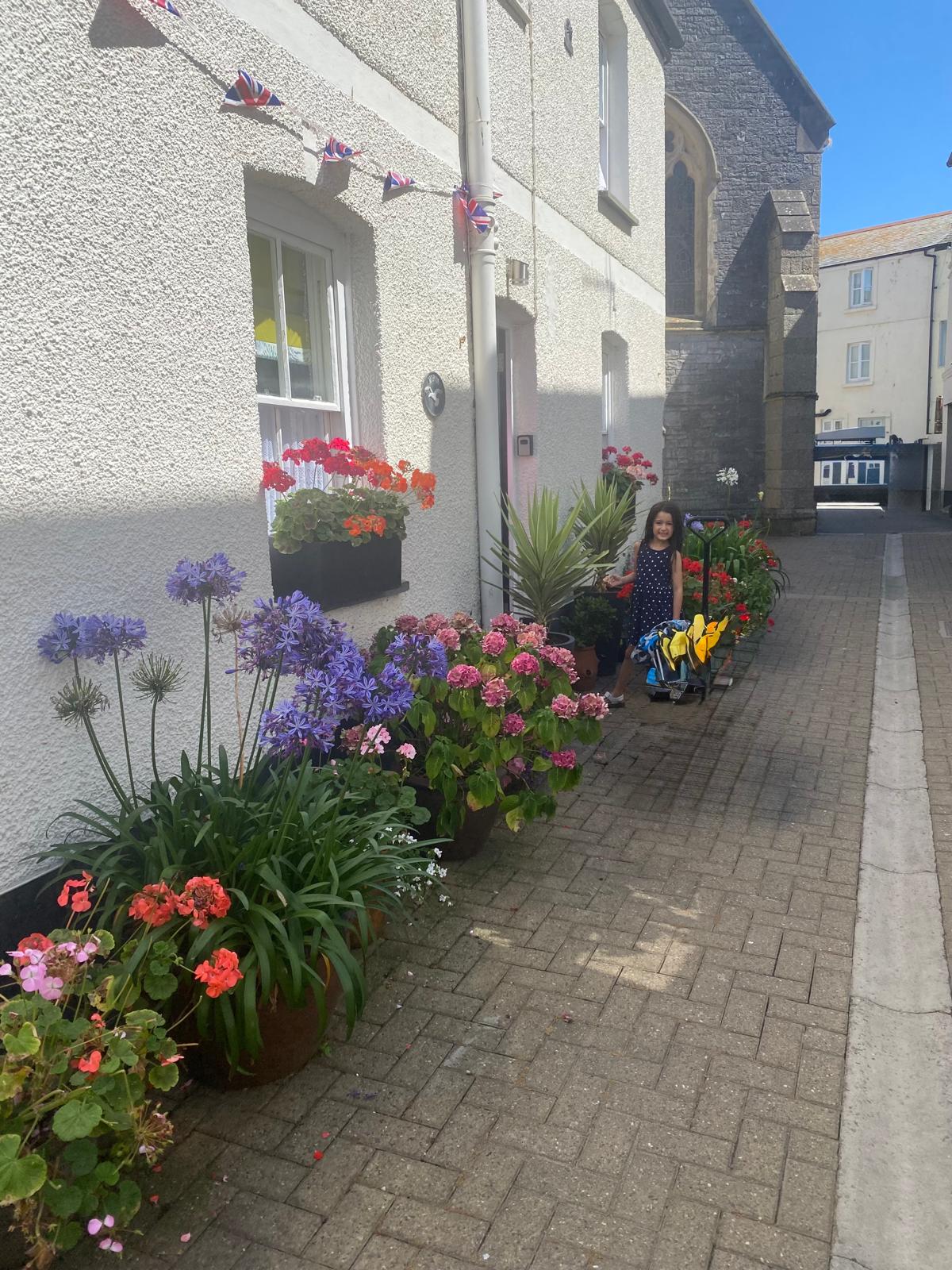
Our Stay and Support in Practice
Staying locally and close to the centre of Looe allowed us to remain settled rather than commuting in and out. Being able to return easily to familiar space made a noticeable difference to regulation, particularly during busier moments around the harbour and beach.
Looe does not operate with formal neurodivergent or autism specific programmes. Support instead comes through the town’s scale, pace, and everyday inclusion practices rather than structured adjustments. The small size of the town made it easier to repeat routes, reduce decision making, and change plans without disruption.
One particularly helpful feature was the quieter side of the river. This area felt noticeably calmer and provided a natural contrast to the busier harbour front. Spending time there helped balance sensory input across the day.
We also took trips out by boat, including fishing trips and hiring small RIB boats to travel up the river. These trips lasted around two hours and offered a contained, predictable experience with clear start and end points. Being on the water created space away from crowds and noise, while still feeling purposeful and engaging.
Remaining within walking distance of key areas reduced reliance on transport and allowed a gentle daily rhythm to form. Familiar routes repeated each day helped lower cognitive load, and the ability to step away easily supported regulation when needed.
What helped:
• Staying within walking distance of key areas
• Familiar routes repeated each day
• Easy retreat back to accommodation
• Reduced reliance on transport
• Quieter side of the river offering calmer space
• Short, structured boat trips with clear time limits
• Time away from crowds without leaving the area
• Flexibility to change plans without pressure.
Neurodivergent access and inclusion in the UK
In the UK, many forms of neurodivergent support are provided through national legislation rather than individual venues or destinations. This means access is often consistent, even in places without formal programmes.
In Looe, these protections applied across accommodation, shops, cafés, transport, and public spaces.
What is standard and protected in the UK:
• Assistance dogs are legally allowed in almost all public places, including shops, cafés, restaurants, transport, and accommodation
• Businesses are not permitted to refuse entry to guide dogs or assistance dogs
• There is no requirement to explain or justify invisible disabilities to access legal rights
• Equality Act protections apply to neurodivergent people, including autism, ADHD, and other cognitive differences
• Staff are generally expected to make reasonable allowances, even if awareness levels vary
• Stepping away, opting out, or taking breaks is widely accepted and rarely challenged
These protections reduce the need for constant advocacy and create a baseline level of safety and predictability when travelling within the UK.
How this showed up in practice in Looe
• Assistance dogs were accepted as standard across venues
• Small, local businesses were generally accommodating without questioning needs
• Quiet exits and alternative seating were usually available due to small scale layouts
• There was little pressure to participate, rush, or justify pacing
• Slower movement and flexible plans felt socially acceptable
This meant support came from rights, scale, and pace, rather than formal neurodivergent schemes.
Things to See (Gently)
Much of what makes Looe enjoyable doesn’t require a checklist. Time spent by the harbour, watching boats, exploring the beach, or walking along the coast provided plenty without pressure.
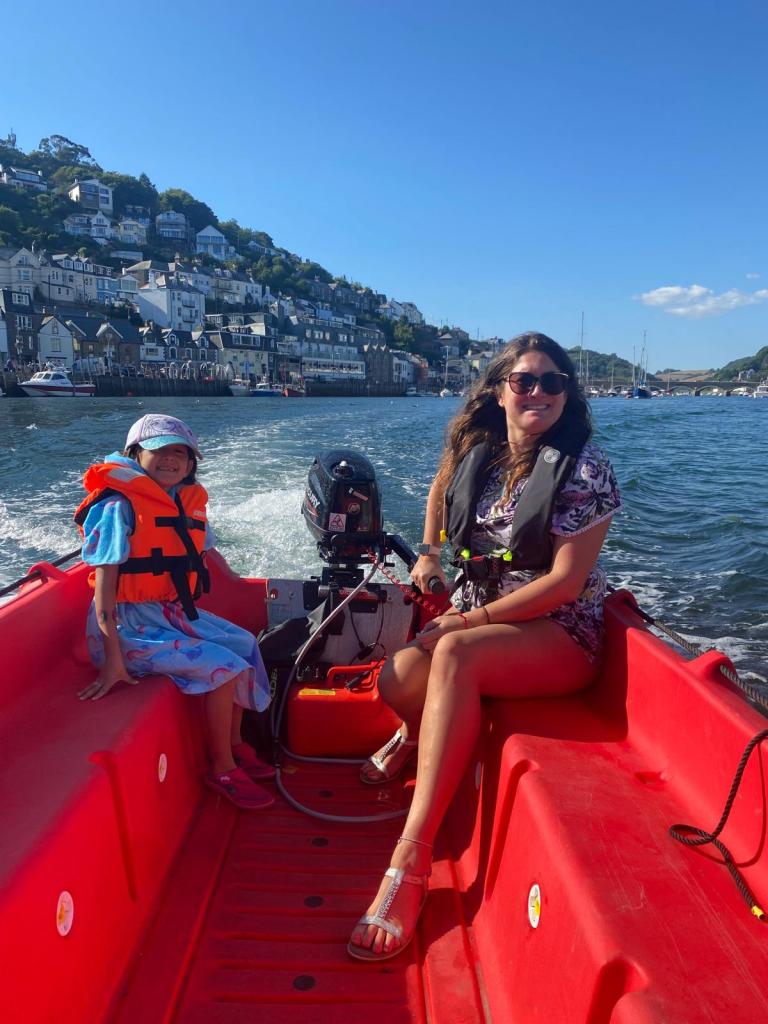
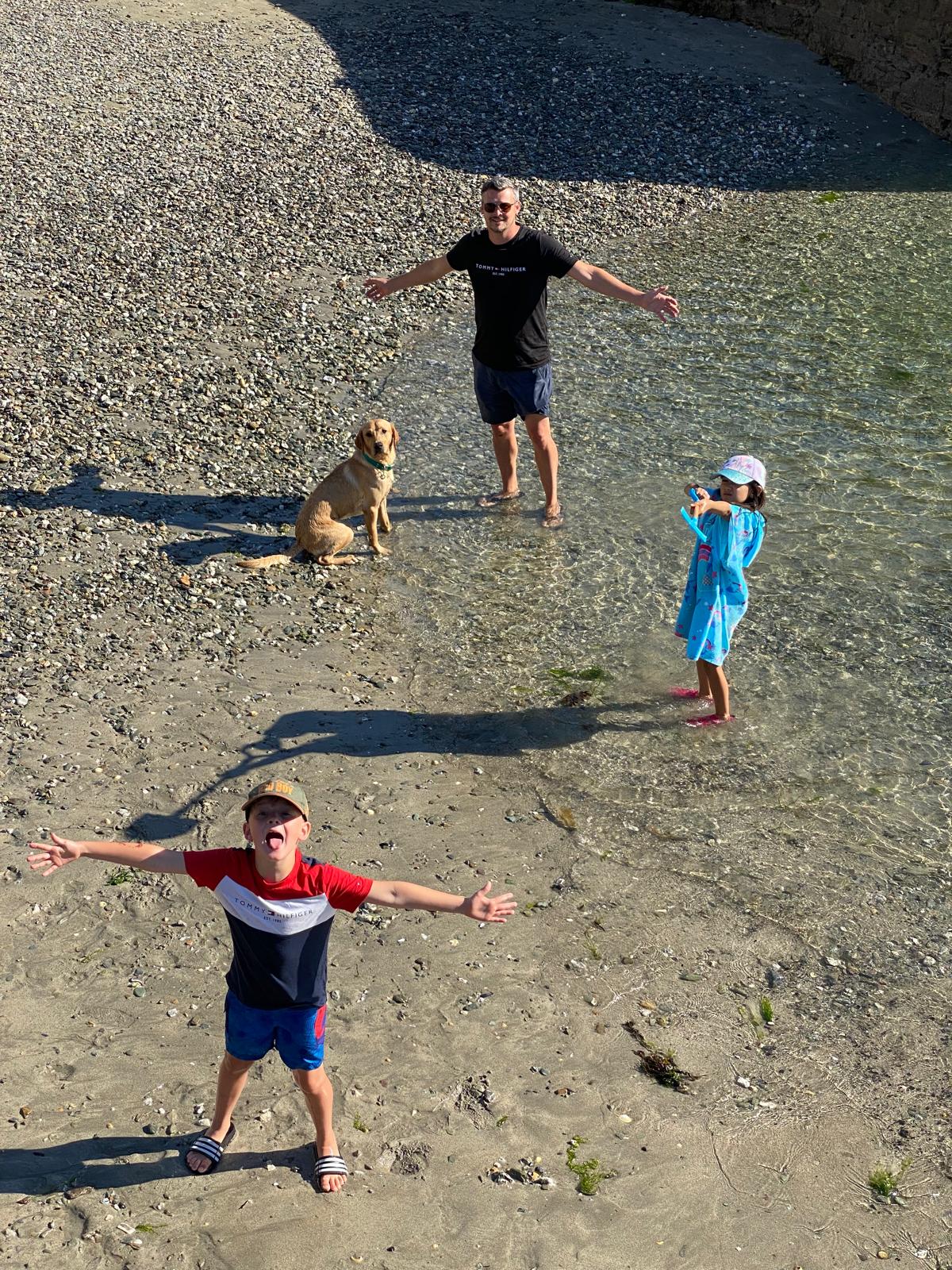
Looe is well suited to gentle exploration, with the beach at the heart of the town and easy to return to throughout the day. Short visits to the shore, paddling, collecting shells, or simply sitting with the sound of the sea allow families to dip in and out rather than commit to long stretches of activity. Boat trips offer another low-pressure way to experience the coastline when kept brief, and smaller boat hire can provide welcome flexibility, allowing you to move at your own pace and return when energy levels begin to dip.
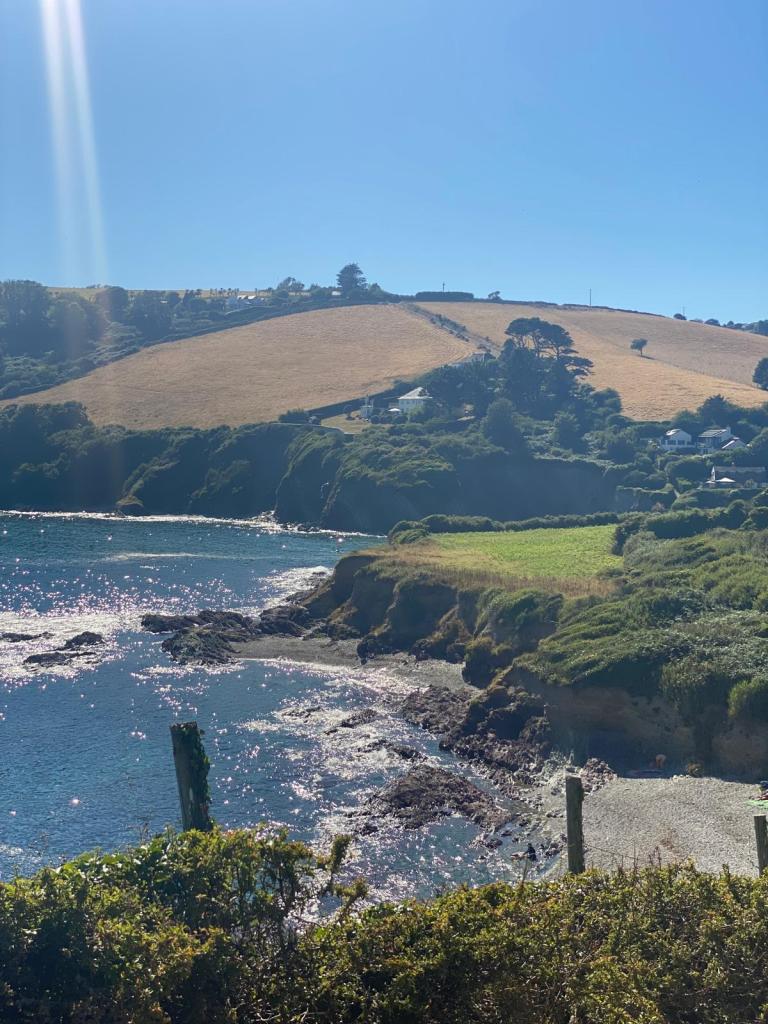
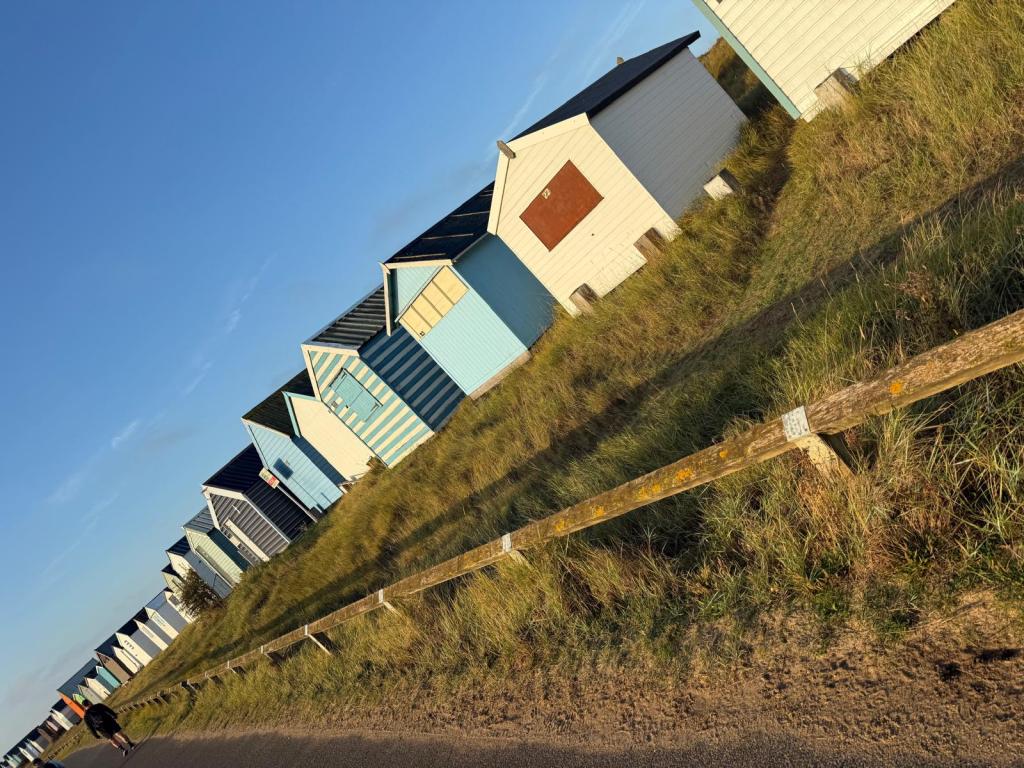
Beyond the harbour, nearby coastal walks offer fresh air and open views without the need for long or demanding routes. Sections close to town can be enjoyed in short bursts, making them easier to adapt around rest, snacks, or changes in mood. Choosing quieter times of day and allowing plans to remain loose helps keep these experiences calming and restorative, letting the rhythm of the place guide the day rather than a fixed itinerary.
When, Where, and How Looe Works Best
When Looe works best
• Late spring and early summer May to early July offers longer daylight, calmer pacing, and fewer crowds before peak school holidays.
• Early autumn September is often quieter while still warm enough for coastal walks and boat trips.
Hardest period
• Late July and August, when crowds increase significantly and the harbour area becomes busier and louder.
Where Looe works best
• The quieter side of the river This area feels calmer and offers space away from the busiest harbour front.
• Walking distance accommodation Staying close reduces reliance on transport and allows easy retreat for rest.
• Coastal paths and river based activities These provide natural regulation through movement and open space.
Areas that can feel harder
• The main harbour front at peak times
• Narrow streets during busy summer afternoons
How Looe works best
• Build days around familiar walking routes
• Use accommodation as an anchor space between outings
• Choose short, time limited activities such as river boat trips or fishing trips
• Balance busier moments with time on the quieter side of the river
• Treat rest and flexibility as part of the plan rather than a backup
Looe works best when days are paced gently and shaped around predictability and choice.
What We’d Do Again & What We’d Do Differently
We would return to Looe and keep the same gentle approach. Staying central, keeping plans light, and allowing days to unfold naturally worked well.
Next time, we would continue to prioritise off-peak times where possible and build in even more unstructured time, particularly during busier seasons.
Alchemy Souls Calm Anchors for Looe
• Familiar routes as an anchor
Repeating the same walking routes each day reduced decision making and helped the environment feel predictable. Familiar paths between accommodation, the harbour, and quieter areas supported regulation without constant planning.
• The quieter side of the river
Spending time away from the main harbour front created a natural pause in stimulation. This side of the river felt calmer and offered space to reset while still remaining connected to the town.
• Time on the water as an anchor
Boat trips, fishing outings, and slow journeys up the river provided a contained experience with clear start and end points. Being on the water reduced noise and crowds, offering calm, low demand regulation for around two hours at a time.
Final Thoughts
Looe does not rely on formal neuro inclusion programmes to feel supportive. Its strength lies in scale, familiarity, and permission to do less.
At Alchemy Souls Travel, we focus on how destinations function in real life rather than how they are marketed. Looe is a place where calm comes from simplicity, and where that simplicity can make all the difference.
Building calmer travel, together
Our destination guides help individuals and families find places that genuinely support regulation and wellbeing. We also collaborate with travel operators who value inclusive, thoughtful experiences and want their spaces reviewed with care and honesty.
 Alchemy Souls Travel