
London
A Neurodiversity Informed Family Guide
London is vibrant, layered, and constantly in motion, with busy streets, dense transport networks, and a strong sensory presence. It can feel exciting and full of possibility, but also intense and fatiguing if approached without intention.
This guide reflects our experience visiting London as a family, shaping days around pacing, timing, and flexibility rather than volume. Instead of trying to see everything, we focused on choosing specific areas, allowing space between activities, and stepping away when stimulation increased. Approaching London this way helped the city feel engaging and manageable, rather than overwhelming
Getting There and Arrival
Arriving in London can feel intense, particularly around major stations, airports, and peak travel times. Noise, crowds, and layered transport systems can quickly increase sensory load.
Allowing extra time for arrival, travelling outside rush hours where possible, and treating arrival day as a low expectation day helped reduce pressure. Knowing where we were staying, how we would get there, and having a clear plan for that first transition made arrival feel more contained and manageable.
Getting Around London
London offers many transport options, but constant movement between areas can be demanding. Underground stations, busy pavements, and frequent transitions can add to fatigue if days are overfilled.
Choosing one main area to explore at a time helped maintain regulation. Walking short distances, using familiar routes, and limiting the number of journeys in a day kept energy steadier. Returning to accommodation or a calm indoor space between outings supported recovery.
Structure and Daily Rhythm
London worked best with a simplified daily rhythm. Planning one main activity or focus per day reduced decision making and helped avoid overload.
Early mornings were generally calmer and better suited to museums, parks, or walking quieter streets. Afternoons worked best with slower pacing, rest, or time in green spaces. Treating travel and arrival days as low pressure days helped transitions feel more manageable.
Sensory Considerations
London is a high sensory city, with constant movement, noise, and visual input. Approaching it with intention helped prevent fatigue and overwhelm.
What to be aware of
• Crowded public transport, especially at peak times
• Busy pavements and layered noise from traffic and people
• High visual stimulation in central areas
What helped
• Travelling outside rush hours where possible
• Using parks, museums, or cafés as calm anchor spaces
• Returning to accommodation or a quiet indoor space when stimulation increased
• Building pauses into the day rather than moving constantly
Green spaces, predictable routes, and planned rest points provided grounding and helped balance the intensity of the city.
Where We Stayed
Our Stay and Support in Practice
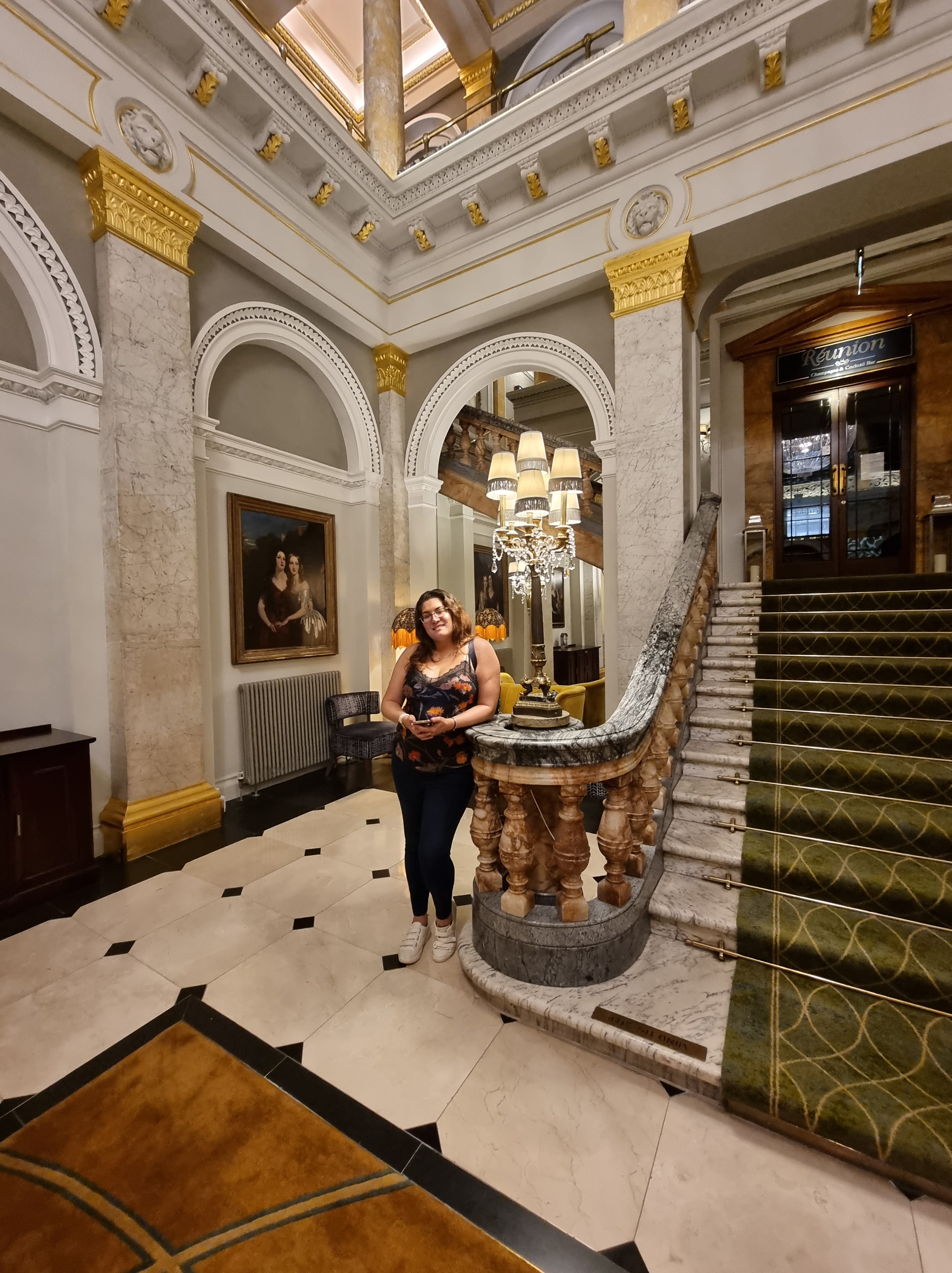
Staying centrally in London played a key role in how manageable the experience felt. Having a familiar base close to transport links and key activities reduced the need for constant movement across the city and helped keep days contained rather than fragmented.
We stayed at The Clermont London, Victoria, which offered practical benefits that supported regulation. Its location directly next to Victoria Station made arrival and departure straightforward, with minimal additional navigation once we arrived. Being within walking distance of theatres, including access for shows like Wicked, reduced reliance on late evening transport and helped evenings feel calmer and more predictable.
Having accommodation that allowed us to return easily between activities made a noticeable difference. After busy environments such as theatres or central streets, being able to step back into a familiar space supported recovery and prevented overload building across the day.
London does not operate with formal neurodivergent or autism specific tourism programmes. Support instead comes through UK wide inclusion standards, transport accessibility, and how visitors structure their time. While London is a high sensory city, it also offers strong infrastructure that can work well when used intentionally.
Staying in one well connected area meant we could repeat routes, reduce decision making, and limit the number of daily transitions. Familiar paths between accommodation, theatres, and nearby food options helped lower cognitive load and created a steadier daily rhythm.
Food choices were kept simple and flexible, avoiding peak dining times where possible. This reduced pressure around queues, noise, and decision making, especially after high sensory experiences like shows.
What helped:
• Staying centrally rather than travelling across multiple areas
• Accommodation directly connected to major transport routes
• Walking access to theatres and evening activities
• Being able to return to accommodation between outings
• Repeating familiar routes each day
• Keeping food choices simple and flexible
• Limiting the number of daily transitions
• Treating evenings as lower demand once back at the hotel
Neurodivergent access and inclusion in the UK
In the UK, many forms of neurodivergent support are provided through national legislation rather than individual venues or destinations. This creates a consistent baseline of access even in busy cities like London.
In London, these protections applied across accommodation, transport, theatres, shops, cafés, and public spaces.
What is standard and protected in the UK:
• Assistance dogs are legally allowed in almost all public places, including hotels, theatres, transport, shops, and restaurants
• Businesses are not permitted to refuse entry to guide dogs or assistance dogs
• There is no requirement to explain or justify invisible disabilities to access legal rights
• Equality Act protections apply to neurodivergent people, including autism and ADHD
• Staff are generally expected to make reasonable allowances, though awareness levels vary
• Stepping away, opting out, or taking breaks is widely accepted and rarely challenged
These protections reduce the need for constant advocacy and help create predictability in busy environments.
How this showed up in practice in London
• Assistance dogs were accepted as standard across venues and transport
• Theatre staff were generally familiar with access needs and support
• Returning to accommodation between activities was socially and practically easy
• There was flexibility to step away or leave environments when needed
• Support came from infrastructure, timing, and choice rather than formal schemes
This meant support came through location, planning, and predictability, allowing London to feel engaging without becoming overwhelming..
Things to See (Gently)
London offers endless options and constant movement, but approaching the city selectively helped the experience feel more balanced. Choosing when and where to engage made it easier to enjoy what London offers without becoming overwhelmed.
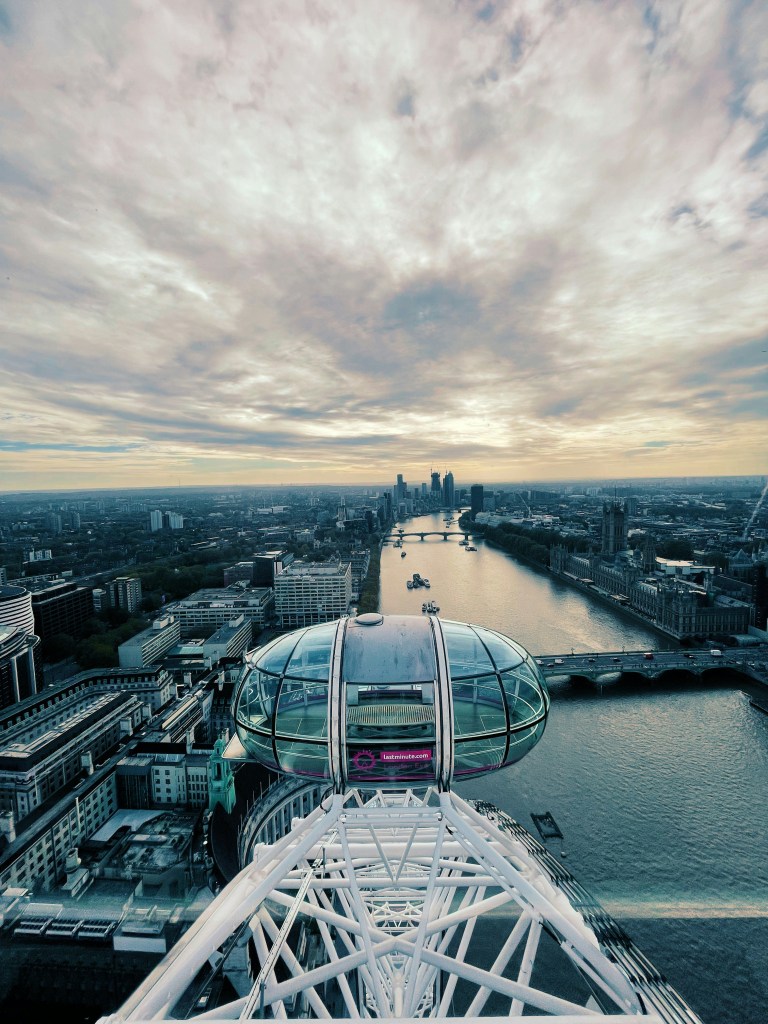
Iconic views without constant movement
Experiences like the London Eye worked well because they offered a contained, predictable experience. The slow rotation, clear start and end point, and seated time allowed the city to be taken in visually without the pressure of navigating crowds or streets.
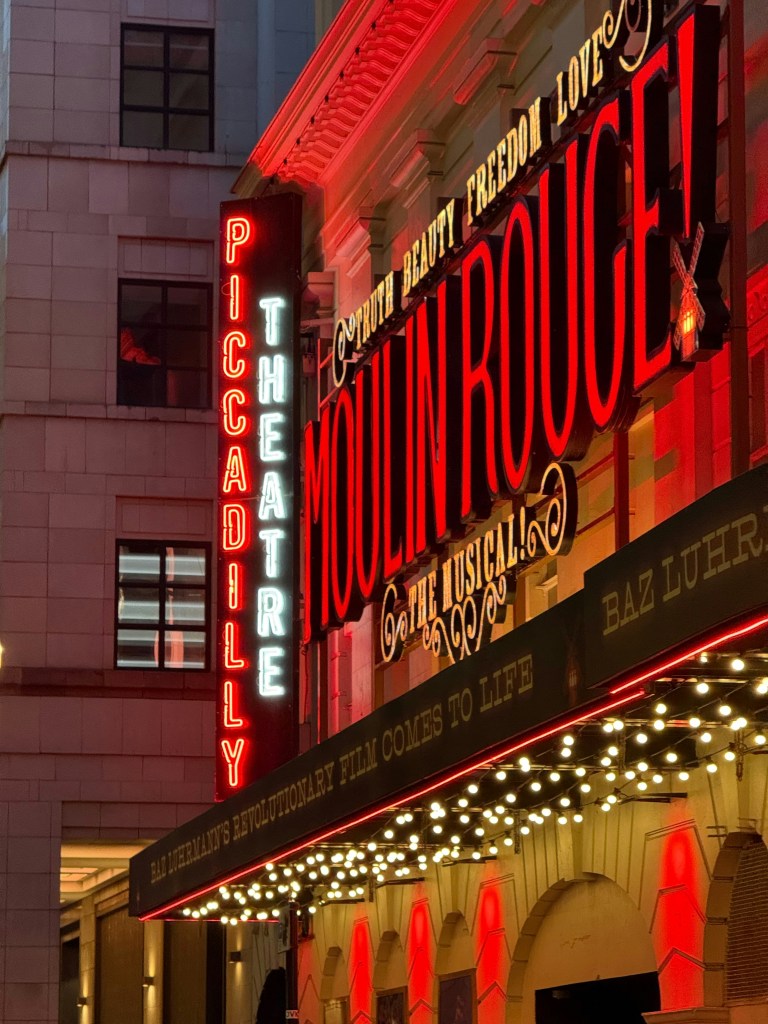
Theatre as a contained sensory experience
West End shows offered structure and containment that worked surprisingly well. Attending productions such as Wicked and Moulin Rouge! The Musical provided a fixed duration, seating, and clear transitions. Knowing when the experience would start and end helped manage anticipation and recovery, particularly when accommodation was close by.
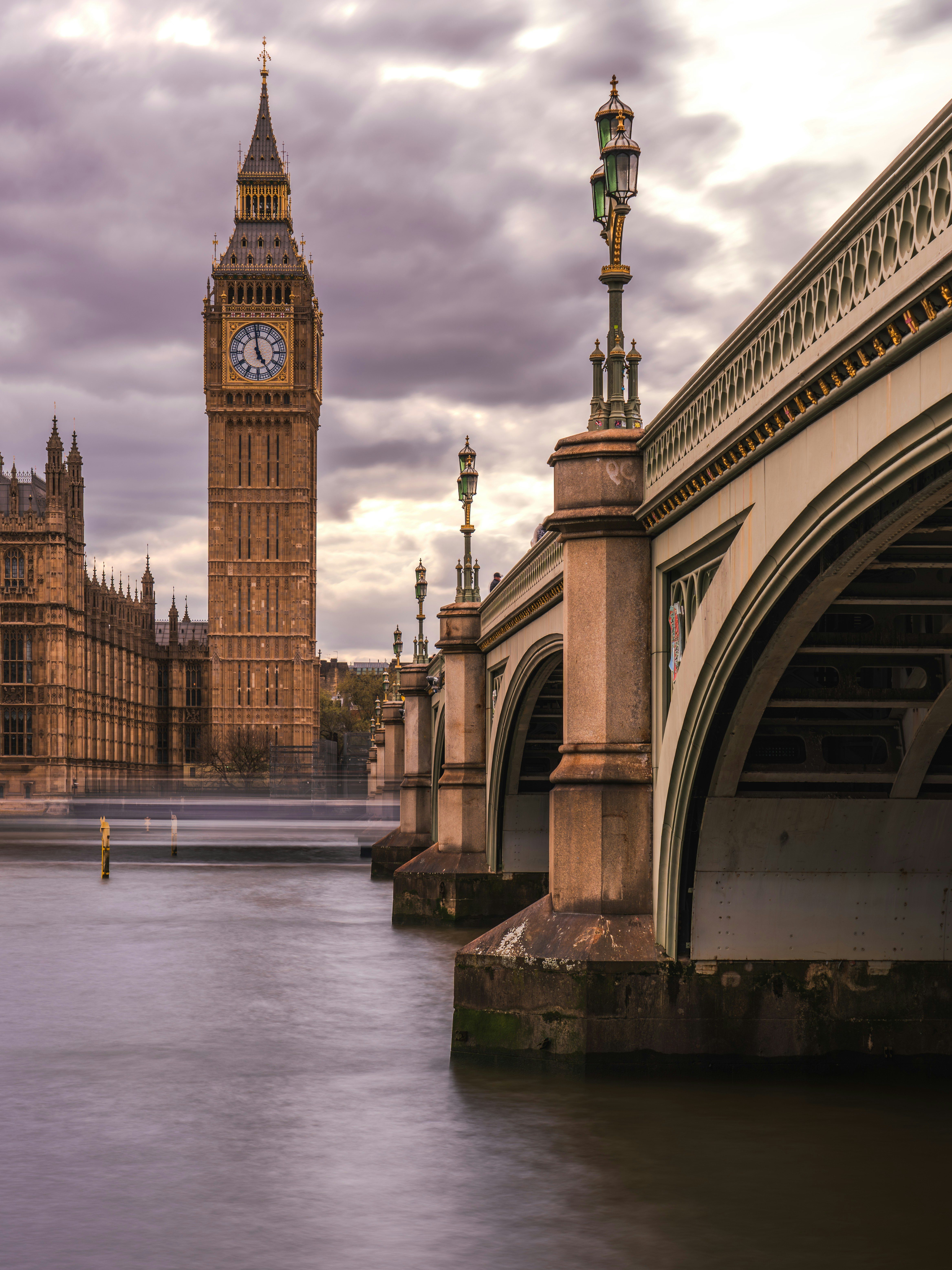
Landmarks viewed rather than rushed
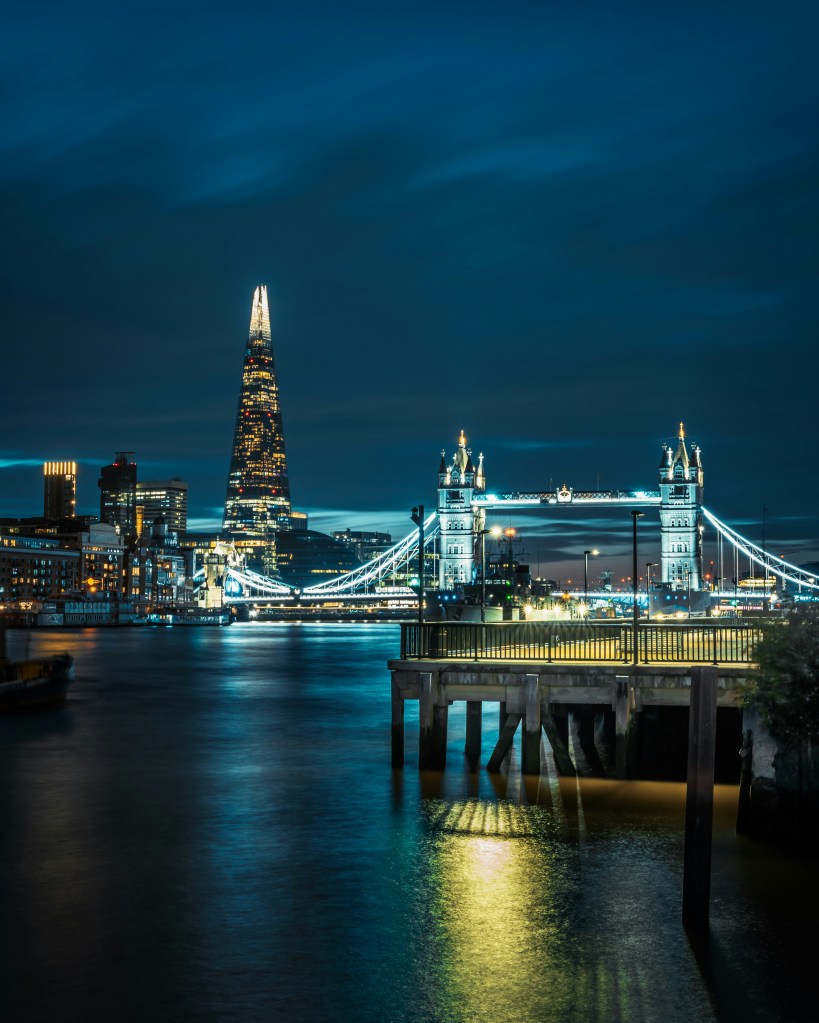
Seeing landmarks such as Big Ben and London Bridge felt most manageable when treated as moments rather than tasks. Pausing to look, take photos, and then move on reduced pressure and avoided the sense of needing to tick things off.
Evening city views and bridges
Exploring London landmarks in the evening offered a different pace. Reduced foot traffic, softer lighting, and cooler temperatures made walking near the river and bridges feel calmer and more spacious than during the day.
Gardens and green spaces as regulation points
London’s parks and gardens provided essential balance. Open space, seating, and predictable paths offered places to slow down between busier areas. These spaces worked well as intentional pauses rather than full activities, helping reset energy levels before moving on.
When, Where, and How London Works Best
When London works best
• Late spring and early summer May to early July offers longer daylight and more flexibility, with manageable crowds outside peak holiday periods.
• Early autumn September often feels calmer once schools return, while still offering good weather for walking and outdoor spaces.
Hardest period
• School holidays and peak summer weekends, when transport, attractions, and central areas become significantly busier.
Where London works best
• Well connected central locations Staying close to transport and key activities reduces the need for repeated travel across the city.
• Areas with access to green space Parks and open areas provide essential pauses between busier environments.
• Walkable theatre and attraction zones Being able to move on foot between accommodation and activities lowers sensory load.
Areas that can feel harder
• Major transport hubs at peak times
• Overpacked sightseeing routes with multiple transitions
How London works best
• Plan one main focus per day rather than multiple attractions
• Use accommodation or indoor spaces as anchor points between outings
• Travel outside rush hours where possible
• Balance high sensory experiences with parks, cafés, or seated activities
• Treat rest, pacing, and flexibility as part of the plan
London works best when structure and containment are prioritised over volume.
What We’d Do Again & What We’d Do Differently
We would choose the same style of accommodation again, prioritising a central, well connected base that reduced the need for constant travel across the city. Staying close to theatres and transport worked well and helped keep evenings predictable and lower demand.
We would continue to visit at calmer times of day, keep plans light, and allow space between activities. Rather than changing much, we would simply keep building in intentional retreat time, using accommodation, parks, or quiet indoor spaces to balance the intensity of the city.
This approach helped London feel engaging and manageable rather than overwhelming.
Alchemy Souls Calm Anchors for London
• Accommodation as an anchor
Staying in a central, well connected hotel created a reliable base to return to between activities. Being close to theatres and transport reduced the need for multiple journeys and helped keep days contained. Returning to familiar space after busy environments supported regulation and recovery.
• Contained experiences as an anchor
Structured experiences such as theatre shows, museums, and observation points offered clear start and end times. Seating, predictability, and knowing how long an activity would last reduced cognitive load and helped manage anticipation in a busy city.
• Timing as an anchor
Early mornings and later evenings made a significant difference. Visiting attractions and moving through the city outside peak hours reduced crowd density and noise, making streets, transport, and public spaces feel more manageable.
Final Thoughts
London offers energy, creativity, and constant possibility, but it asks for intention. When approached gently, with thoughtful pacing, clear structure, and a supportive base, the city can be experienced in a way that feels engaging without becoming overwhelming.
This guide reflects what worked for us, not as a rulebook, but as a reference for families considering whether London might suit their needs, and how to experience it in a way that feels calm, supportive, and kind within a busy urban environment.
Building calmer travel, together
Our destination guides help individuals and families find places that genuinely support regulation and wellbeing. We also collaborate with travel operators who value inclusive, thoughtful experiences and want their spaces reviewed with care and honesty.
 Alchemy Souls Travel