Sensory Friendly International Destinations
Alchemy Souls international destination guides explore spa and wellness locations through a neuroinclusive, family led lens, focusing on how a place feels to be in, not just how it appears in marketing or brochures.
Each guide is shaped by real family experience and designed as a fully sensory aware resource. We look closely at atmosphere, ease of access, noise and light levels, crowd flow, and the availability of quieter or retreat spaces. Equal attention is given to how simple it is to rest, reset, and step away when energy is low, without pressure or explanation.
The purpose of these guides is to support informed, confident choices about international spa and wellness destinations that genuinely enable regulation, comfort, and recovery, rather than offering relaxation in theory alone.
The feel of the Experience
What makes an international destination neuroinclusive
A neuroinclusive destination focuses on how a place feels to move through and spend time in, especially when routines and surroundings are unfamiliar.
Clear layouts, manageable scale, access to quieter spaces, and the ability to step away from crowds all help reduce sensory and cognitive load.
Destinations that offer choice and flexibility allow families to shape days around energy rather than expectation.
Why sensory awareness matters more when travelling abroad
International travel often involves additional demands such as language differences, climate changes, long journeys, and unfamiliar social norms.
When destinations are noisy, crowded, or unpredictable, these demands can quickly become overwhelming rather than enjoyable.
Sensory aware environments help travellers settle, regulate, and recover, making the experience feel safer and more sustainable.
Types of international destinations that often feel more manageable
Places designed around space, nature, or contained resort style layouts often feel easier to navigate and less demanding.
Destinations with walkable areas, predictable routines, and multiple low pressure options tend to support calmer experiences.
It is not about the country itself, but how the destination is structured and paced.
Choosing an international destination with sensory needs in mind
Looking beyond highlights and attractions to consider crowd levels, travel distances, and daily logistics can make a significant difference.
Researching quieter seasons, accommodation location, and transport options helps reduce unnecessary transitions.
If planning the trip already feels overwhelming, the destination may require more energy than it gives back.
Experienced, Sensory Friendly International Destinations
These destinations are shared with honesty including what worked well for our family, where adjustments helped, and what we’d do differently next time.
Dubai
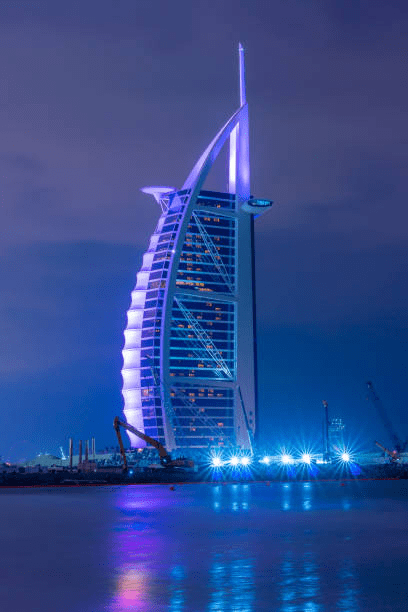
Dubai offers a highly structured, resort based travel experience with strong family friendly infrastructure. Staying at Atlantis provides a predictable environment that can feel reassuring, particularly when travelling with children. Sensory experiences here can be both intense and enjoyable, making it important to balance stimulation with downtime.
Mauritius
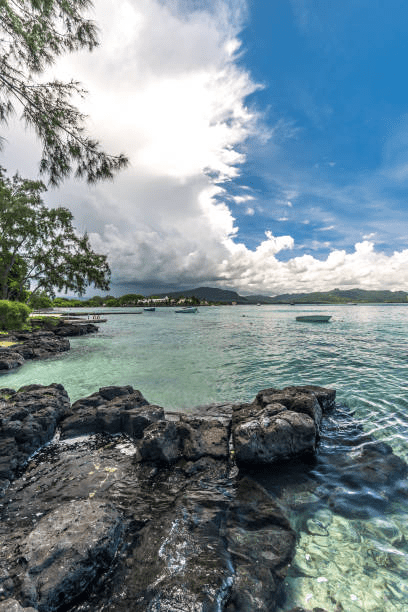
Mauritius lends itself to a slower pace of travel, with nature and water playing a natural regulating role. Resort stays offer a sense of calm, while excursions can be chosen selectively to avoid overload. It’s a destination that works especially well for rest-led travel and gentle exploration.
Ibiza
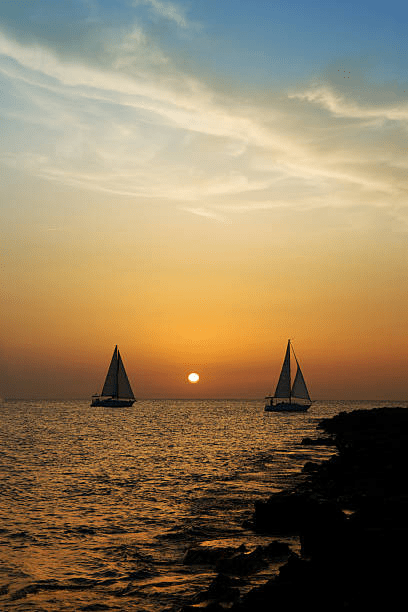
Beyond its reputation for nightlife, Ibiza has quieter sides that suit family travel well. Coastal areas, nature, and slower villages offer a more grounded experience, where days can unfold at an unhurried pace. Choosing the right base on the island makes a significant difference to how the trip feels.
Cyprus
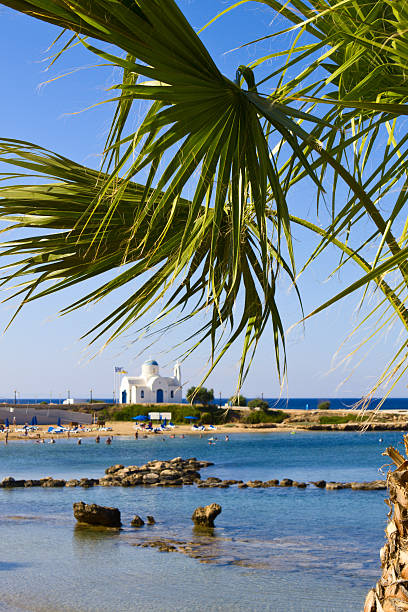
Cyprus feels familiar and easy to navigate, with walkable towns, accessible food options, and a relaxed rhythm of daily life. The warmth and cultural familiarity make it a grounded choice, particularly for multigenerational travel where ease and predictability matter.
Mexico
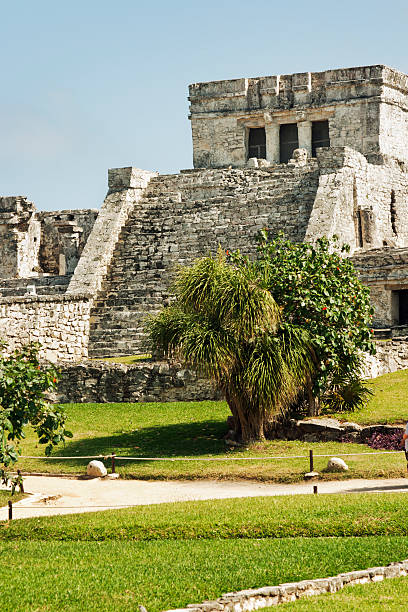
Mexico offers rich cultural experiences alongside beautiful natural environments, but travel here benefits from thoughtful pacing. Heat and sensory intensity can be managed by balancing time between resorts and exploration, and by planning transitions carefully to allow for rest and recovery
Get Early Access to Our Guides
We’re building a growing collection of neurodiversity informed travel guides, created from lived experience and designed to support calmer, more manageable trips.
More International Travel destinations and resort guides are coming soon.
Subscribers will receive early access, plus bonus planning checklists and practical tools before they’re released publicly.
If slower, more thoughtful travel matters to your family, you’re welcome to join us.
How to use these guides
These destination guides aren’t designed to be read all at once. Dip in where you’re curious, and take what’s useful for your own family. Each guide shares what worked well for us, where adjustments helped, and how we approached pace, rest, and sensory load not as rules, but as reflections.
Building calmer travel, together
Our destination guides help individuals and families find places that genuinely support regulation and wellbeing. We also collaborate with travel operators who value inclusive, thoughtful experiences and want their spaces reviewed with care and honesty.
 Alchemy Souls Travel