
Ibiza
A Neurodiversity Informed Family Guide
Ibiza is often associated with nightlife and intensity, but that is only one version of the island. Experienced differently, Ibiza can also offer calm, space, and a slower rhythm, particularly for families who choose location and pace intentionally.
This guide is written from lived neurodivergent family experience and informed by how environments, pace, and systems affect regulation, energy, and emotional safety. We focus on how destinations function day to day, what support exists in practice, and who a place may realistically suit.
Flights and Arrival
Flights to Ibiza are relatively short compared to long haul destinations, which can help reduce travel fatigue.
Arrival at Ibiza Airport can feel busy and visually stimulating, particularly during peak season. Crowds, noise, and movement build quickly. Allowing extra time, moving slowly, and having a clear plan for leaving the airport helped make this transition more manageable.
Treating arrival day as a low expectation day supported regulation from the outset.
Getting Around Ibiza
Getting around Ibiza often requires a car, particularly when staying outside the main towns.
Driving itself is straightforward, but journeys can feel tiring due to narrow roads, summer traffic, and parking pressures in busier areas. What helped most was limiting how often we travelled and choosing accommodation that allowed us to spend full days nearby.
Ibiza becomes significantly more manageable when movement is intentional rather than frequent.
Structure and Daily Rhythm
Ibiza works best with a slow, flexible rhythm.
Days felt more manageable when loosely structured, with one gentle plan or none at all. Early mornings and quieter beaches were often the most supportive times of day. Evenings worked best when kept simple and close to accommodation.
There was value in allowing plans to change without pressure.
Sensory Considerations
Ibiza is a mixed sensory destination.
Potential challenges
• Noise in certain areas
• Bright light and heat
• Crowds during peak season
What helped
• Early starts
• Staying close to accommodation
• Choosing quieter locations
Where We Stayed
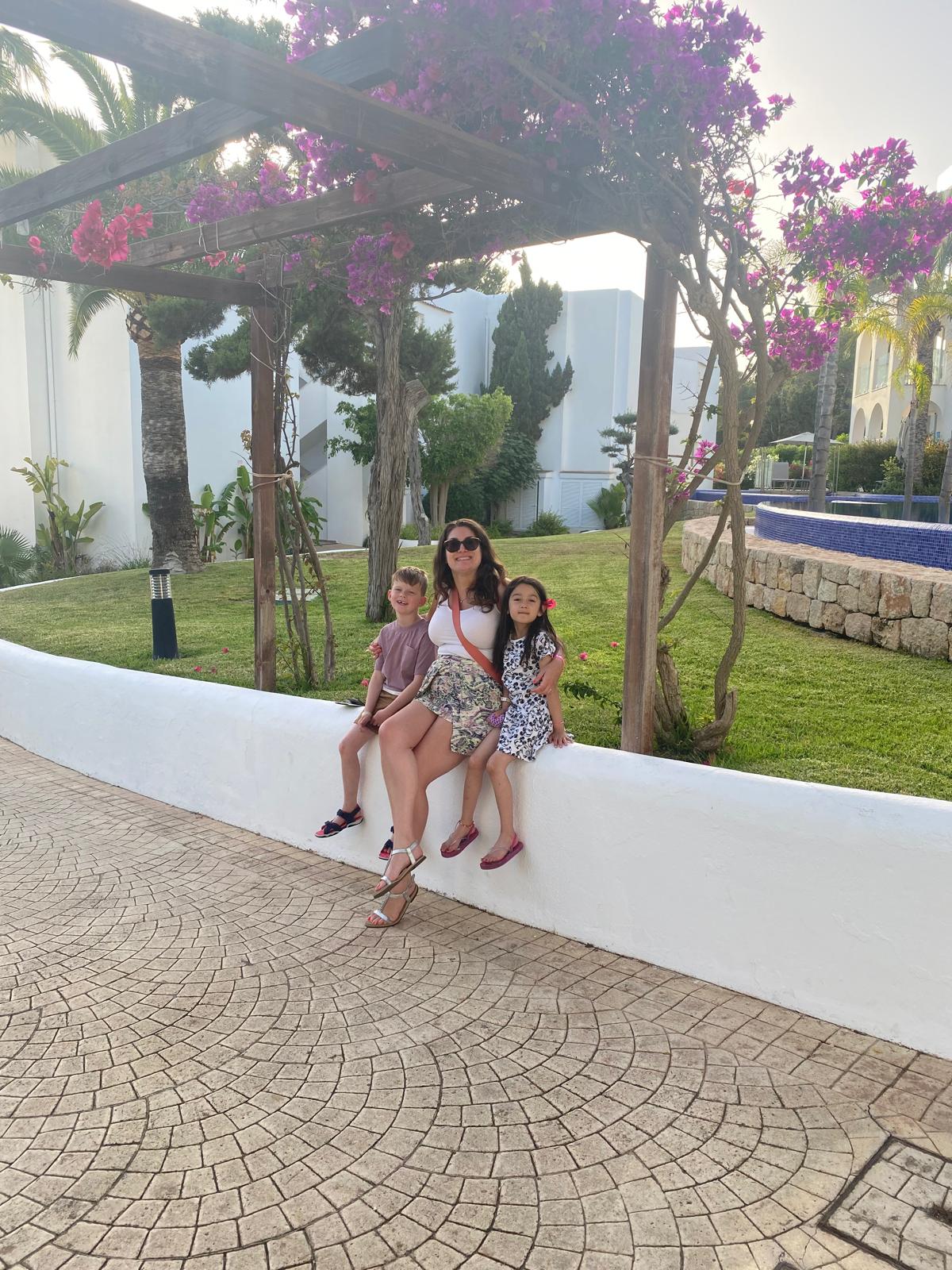
Our Stay and Support in Practice
Staying at Insotel Tarida Beach Resort on the west coast of Ibiza gave us a contained, family focused base that made the trip far more manageable. Choosing a resort setting meant accommodation, dining, pools, and beach access were all in one place, reducing daily transitions and decision making.
From a neurodivergent perspective, support came from choice, separation, and the ability to move away from stimulation without leaving the environment. The resort layout allowed us to shift between busier and calmer spaces depending on energy levels, and to return to the room easily whenever rest was needed.
Support was most visible in how shared spaces were divided. There were multiple pool areas with different energy levels, rather than one central hub. Our swim up room connected to a segregated small pool shared by a limited number of rooms, which was often quiet and sometimes empty. This provided a consistently low sensory option during peak times elsewhere in the resort.
Easy retreat back to the room without navigating busy public areas meant regulation could happen quickly and independently. Being able to step away without explanation helped prevent overstimulation building across the day.
Overall, Ibiza worked because the environment supported containment and choice, rather than constant activity. Calm was created through layout and access, not through formal programmes or adjustments.
What helped
• Resort based layout with accommodation, dining, pools, and beach on site
• Multiple pool areas with different energy levels
• Swim up room with access to a small, segregated pool
• Ability to move away from activity hubs without leaving the resort
• Easy return to the room whenever rest was needed
This made it easier to establish a steady daily rhythm and respond to energy levels as they changed.
Things to See (Gently)
Ibiza offers no shortage of places to explore, but choosing carefully made the experience far more enjoyable for us. Seeing less, rather than more, helped keep days balanced and supportive.
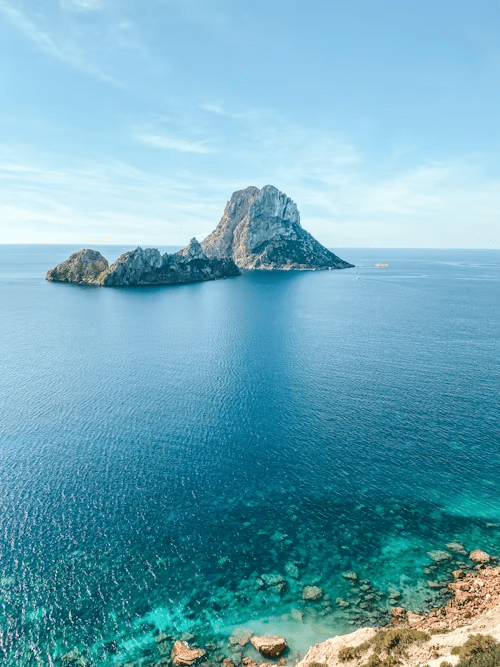

Ibiza’s quieter beaches and coves offer calm spaces for swimming, paddling, and simply being by the water. Short visits worked better than full days, allowing us to enjoy the environment without pushing beyond comfort.
Ibiza’s hippie markets can be vibrant and creative, but they are not low sensory spaces by default. Music, colour, movement, and crowds often overlap, particularly during peak times. Short visits worked best for us, arriving early and staying close to the edges so we could step away easily. Treating markets as optional and time limited experiences helped keep the day balanced, and leaving as soon as stimulation built made the visit feel safer rather than overwhelming.

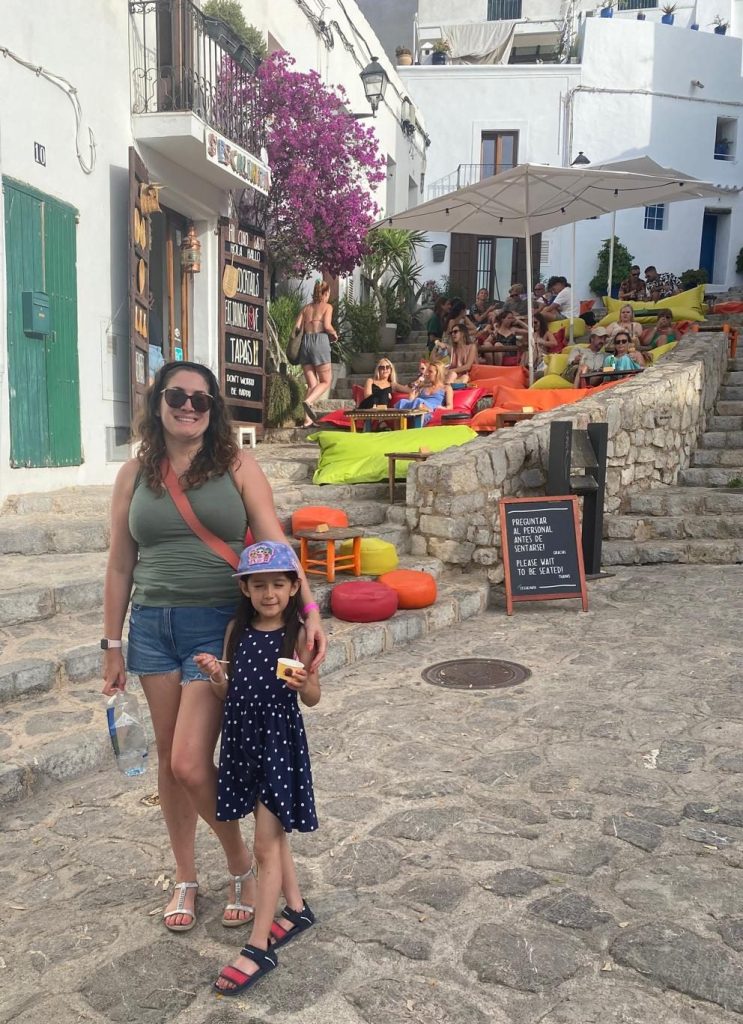
Exploring nearby villages at a relaxed pace provided a change of scenery without high sensory demand, especially when visits were brief and unstructured. Nature-led moments often felt more restorative than traditional attractions, and choosing experiences that allowed us to leave easily made outings feel safer and more enjoyable.
When, Where, and How Ibiza Works Best
When Ibiza works best
• Late April to early June
• Late September to mid October
These months are cooler, quieter, and less crowded. Beaches, villages, and markets are calmer and evenings are noticeably less noisy.
Hardest period
• July and August, especially mid day to late evening
Where Ibiza works best
• North of the island – quieter, rural, fewer nightlife venues
• West coast resorts away from San Antonio town – calmer evenings
• Inland villages like Santa Gertrudis – slower pace, less crowding
• Small coves rather than long beaches – easier exits, less build up
Areas to avoid for calm
• Playa d’en Bossa
• San Antonio town centre
• Anywhere near major clubs
How Ibiza works best
• Stay in one base rather than moving around
• Choose resort or quiet accommodation with easy retreat
• Visit beaches and markets early morning
• Keep outings short and optional
• Leave as soon as stimulation starts to build
Ibiza is manageable when days are designed around energy, not expectations.
What We’d Do Again & What We’d Do Differently
We would choose the same style of accommodation again and continue to prioritise fewer outings with more rest. Hiring a car gave us flexibility and reduced pressure, which we would repeat.
Next time, we would plan even fewer off-site activities and lean further into the island’s slower pace, allowing the environment to guide the experience rather than expectations.
Alchemy Souls Calm Anchors for Ibiza
• Reset space
The swim up room and small shared pool provided a consistently low sensory environment, especially during peak times elsewhere in the resort
• Low demand activity
Swimming at quieter times and staying close to accommodation allowed regulation through water without additional noise or crowds
• Fast exit option
Being able to return directly to the room when stimulation built prevented escalation and reduced recovery time
Final Thoughts
Ibiza is not a one size fits all destination for neurodivergent families.
When approached intentionally, with careful choices around location, pace, and expectations, it can offer moments of calm and connection. When those choices are not available, it can feel overwhelming.
At Alchemy Souls Travel, we focus on helping families understand how destinations really function, not just how they are marketed. Ibiza is a place where the experience is shaped by decisions, and knowing that in advance makes all the difference.
Building calmer travel, together
Our destination guides help individuals and families find places that genuinely support regulation and wellbeing. We also collaborate with travel operators who value inclusive, thoughtful experiences and want their spaces reviewed with care and honesty.
 Alchemy Souls Travel