
Warner Bros. Studio Tour – The Making Of Harry Potter
A Neurodiversity Informed Family Guide
The Warner Bros. Studio Tour offers a highly immersive experience, bringing the world of Harry Potter to life through detailed sets, costumes, and behind-the-scenes storytelling. While visually rich and exciting, it can also be intense, making a neuroinclusive approach essential to keeping the visit enjoyable rather than overwhelming.
Approached with intention, the tour can work well for families and individuals who benefit from structure, predictability, and clear expectations. Knowing what to expect, moving at your own pace, and allowing time for pauses makes a significant difference.
Arrival and Entry Experience
Arriving at the Warner Bros. Studio Tour London felt more contained than many city attractions, but timed entry meant arrival still required planning.
Allowing extra time for travel, arriving early, and knowing exactly where to go on arrival reduced pressure. Having tickets booked in advance and understanding the entry process helped the transition into the experience feel calm and predictable.
Flow of the Experience
The studio tour follows a clear, mostly linear route through different sets and spaces. While the flow is structured, some areas naturally become busier around iconic exhibits.
Moving at our own pace made a significant difference. Pausing in quieter sections, allowing others to move ahead, and stepping aside when needed helped keep the experience regulated rather than rushed.
How We Structured the Visit
The studio tour worked best when treated as the main focus of the day rather than part of a packed schedule. Letting go of the idea of seeing everything reduced pressure.
Taking breaks when needed, using seating areas, and planning rest time before and after the visit helped balance energy. Treating the tour as a contained experience with a clear beginning and end supported smoother transitions.
Sensory Considerations
The studio tour is visually rich and immersive, with changing lighting, sound, and detailed displays. While engaging, stimulation can build over time.
What to be aware of
• Busy areas around iconic sets and interactive displays
• Lighting and sound effects in certain sections
• Increased noise levels during peak visit times
What helped
• Moving through the tour at a self selected pace
• Taking pauses in quieter areas or seating spaces
• Allowing others to pass rather than staying in crowded zones
• Building in rest time after the visit
Clear structure, defined sections, and permission to pause helped keep the experience enjoyable without becoming overwhelming.
The feel of the Experience
The Warner Bros. Studio Tour London is an indoor, highly visual experience, with changing lighting, sound effects, and large scale sets throughout. For many visitors this creates excitement and immersion. For others, the level of stimulation can build quickly, particularly if the experience is rushed or visited during busier periods.
The tour follows a clearly defined, largely linear route, which helps reduce uncertainty and decision making. Knowing where the experience flows next and not needing to navigate complex choices supported a sense of containment.
What made the experience more manageable was the freedom to control pace. Being able to stop, linger, or move on as needed allowed regulation to happen naturally. When energy or sensory thresholds fluctuated, stepping aside, sitting down, or allowing others to pass helped prevent overwhelm from building.
Approached gently and without pressure to see everything, the environment felt engaging rather than exhausting, allowing the detail and atmosphere to be appreciated without sensory overload.
Our Visit and Support in Practice
Our visit to the Warner Bros. Studio Tour London was approached as a single, intentional experience rather than something to fit around other plans. We treated the day as being about the tour itself, which immediately reduced pressure and helped us arrive feeling more settled.
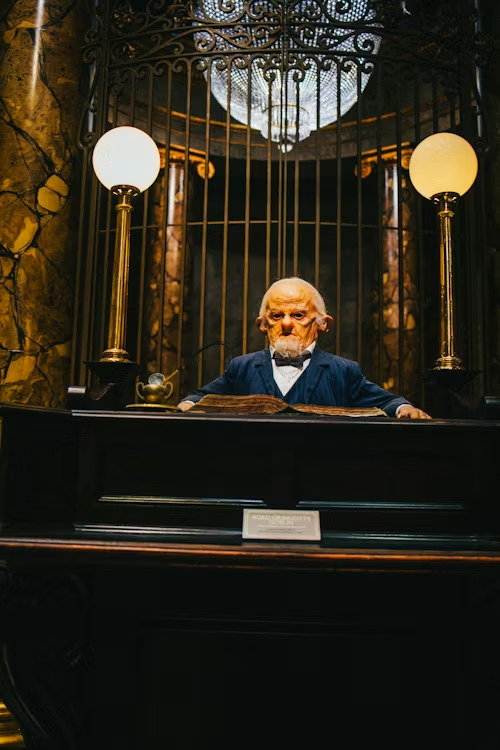
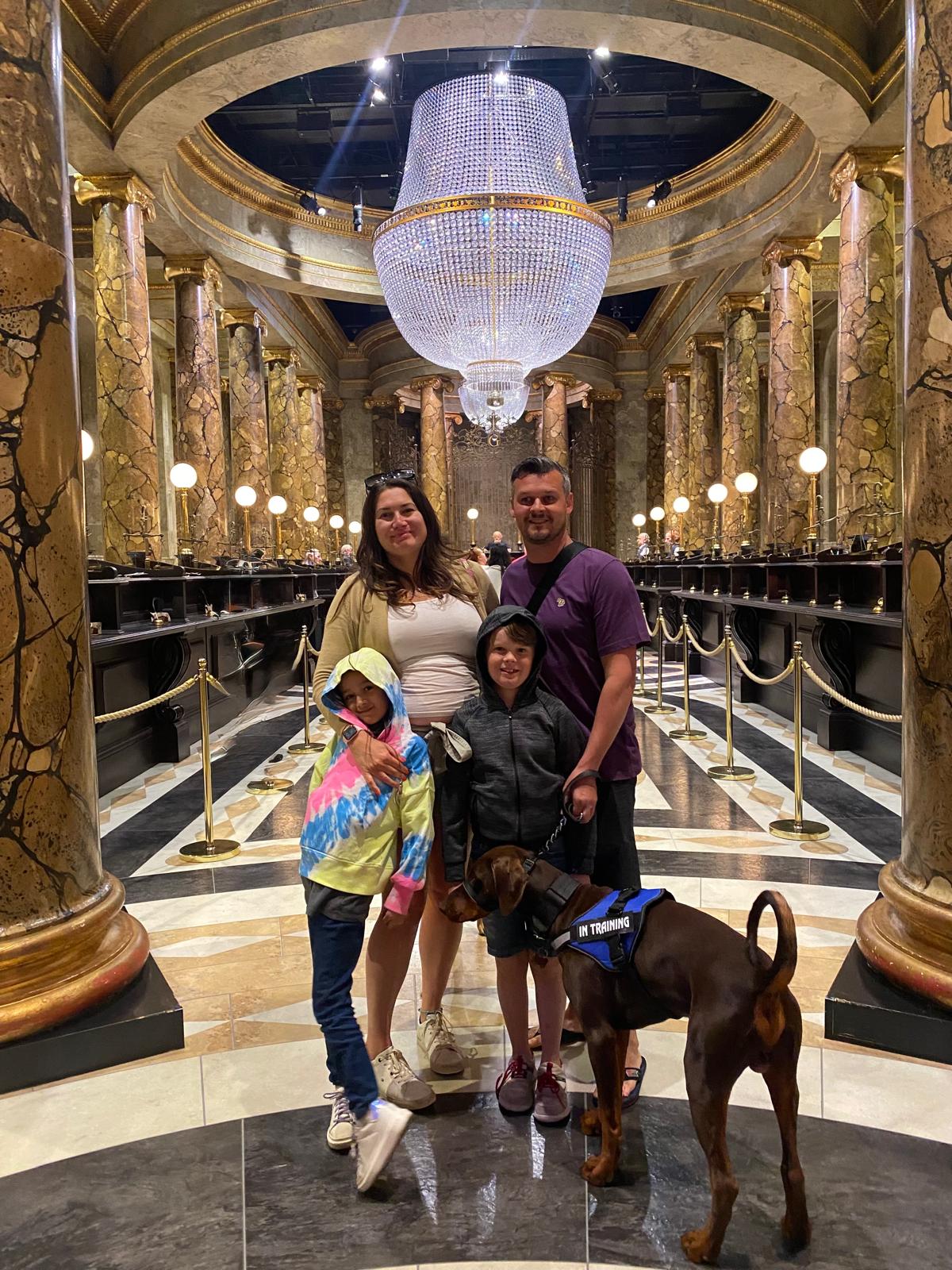
We deliberately chose not to rush. We did not aim to see every detail or spend equal time in each section. Instead, we moved through the studios at our own pace, allowing ourselves to linger where interest and energy aligned, and to move on quickly from areas that felt busier or more stimulating. Giving ourselves permission to experience the tour selectively made a noticeable difference.
What worked particularly well was the ability to pause. Stepping aside, sitting down, or letting others move ahead helped regulate sensory input as it built. Knowing there was no expectation to keep moving or keep up supported a calmer experience, especially in high interest areas where crowds gathered.
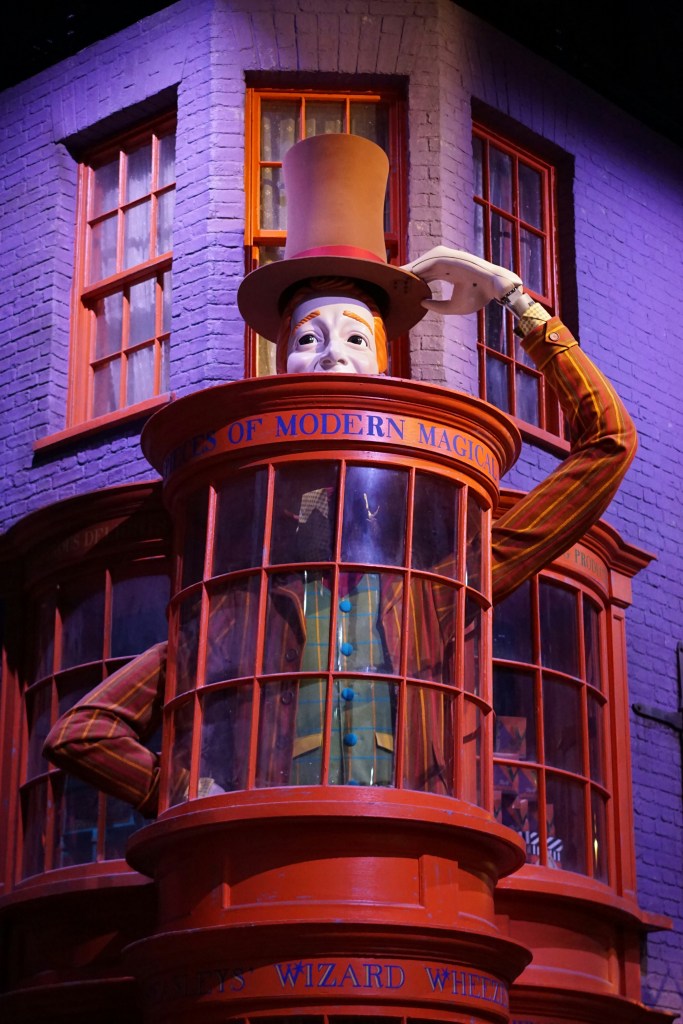
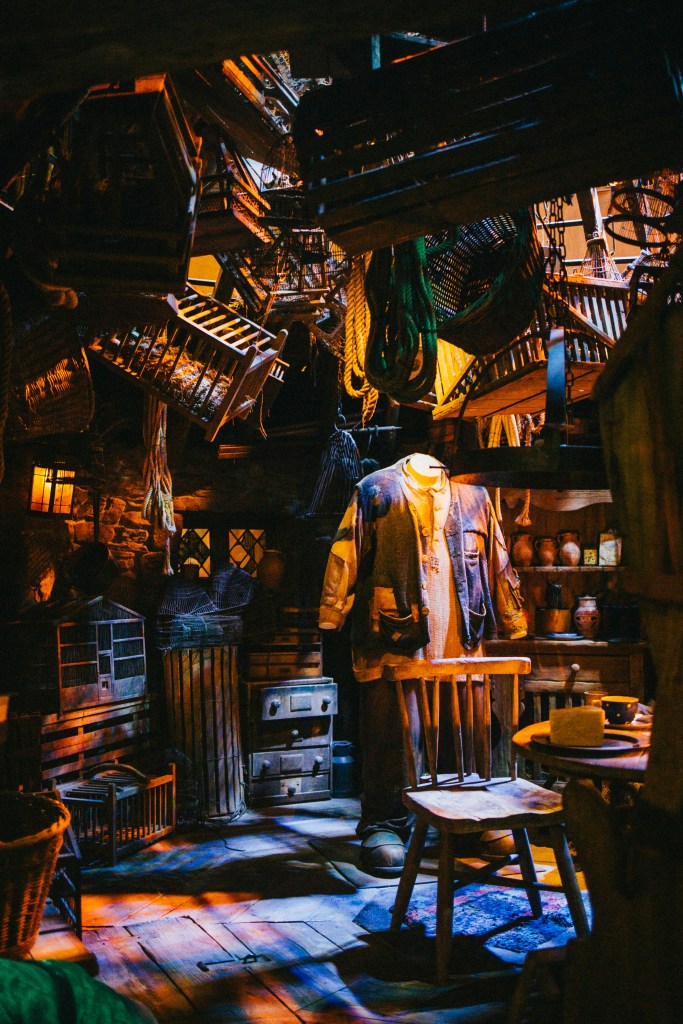
We were also mindful of energy beyond the tour itself. Planning recovery time afterwards meant there was no pressure to push through fatigue. Having a clear end point and a plan to rest helped the experience remain enjoyable rather than exhausting.
What surprised us most was how manageable the visit felt when approached gently. Despite the immersive nature of the sets, the clear structure of the tour and the freedom to control pace allowed the environment to feel engaging without becoming overwhelming.
This experience reinforced the value of pacing, permission, and letting go of the idea of doing everything. When those elements were in place, the tour felt accessible, enjoyable, and inclusive.
How This Experience Works Gently
How the experience is structured
The Harry Potter Tour follows a clearly defined, mostly linear route through the studios. Entry times are fixed, and once inside there is a clear progression from one section to the next.
This structure helped reduce uncertainty. While the route itself is guided, there is no requirement to move at a set pace. Visitors can pause, linger, or move on as needed, which supported regulation throughout the experience.
Some areas naturally become busier, particularly around iconic sets and interactive displays. These sections can usually be navigated by stepping aside briefly or allowing others to move ahead.
How to approach this visit gently
This visit worked best when treated as the main focus of the day rather than something to fit around other plans. Letting go of the idea of seeing everything reduced pressure significantly.
Moving slowly, taking breaks, and giving ourselves permission to move quickly through busier sections helped maintain energy. Using seating areas and pausing when needed prevented stimulation from building too quickly.
Planning recovery time after the visit also made a difference. Knowing there was space to rest afterwards allowed the experience itself to remain enjoyable rather than exhausting.
When this experience may feel harder
The studio tour can feel more demanding during peak periods such as school holidays or busy weekends, when crowd levels and noise increase.
Certain sections include lighting effects, sound, and dense visual detail, which can build stimulation over time. Moving through these areas more quickly or pausing afterwards helped manage sensory load.
Timed entry means arriving late can add unnecessary pressure. Allowing extra time for travel and arrival supported a calmer start to the visit.
Neurodivergent Access and Inclusion in the UK
In the UK, neurodivergent access and inclusion are primarily supported through national legislation rather than individual attractions. This creates a consistent baseline of protection across public spaces, visitor attractions, transport, and services.
At UK attractions, this means access is not dependent on formal programmes or disclosure, but on established legal rights and reasonable expectations.
What is standard and protected in the UK:
• Assistance dogs are legally allowed in most public places, including visitor attractions, transport, cafés, and indoor venues
• Businesses are not permitted to refuse entry to guide dogs or assistance dogs
• There is no requirement to disclose or explain invisible disabilities in order to access legal protections
• Equality Act protections apply to neurodivergent people, including autism and ADHD
• Visitors are entitled to reasonable adjustments where appropriate
• Stepping away, pausing, or opting out of parts of an experience is widely accepted
These protections reduce the need for constant advocacy and help create predictability, even in busy or highly stimulating environments.
How this typically shows up in practice
• Visitors moving at different paces is generally accepted
• Taking breaks or leaving an area temporarily is socially and practically permitted
• Staff are usually accustomed to a range of access needs, even if awareness varies
• There is no expectation to complete an experience in a particular way
This means support comes from rights, flexibility, and permission, rather than from specialised schemes, allowing families to engage in ways that suit their needs.
Alchemy Souls Calm Anchors for The Harry Potter Tour
• Structure as an anchor
The clearly defined route through the studios provided predictability and reduced uncertainty. Knowing how the experience flowed, and that there was a clear beginning and end, helped regulate anticipation and energy throughout the visit.
• Pace as an anchor
Being able to move at our own speed made a significant difference. Pausing, lingering, or moving on without pressure allowed regulation to happen naturally, especially in busier or more stimulating sections.
• Permission to pause as an anchor
Giving ourselves permission to step aside, sit down, or allow others to pass prevented stimulation from building too quickly. Knowing that we did not need to complete the experience in a particular way helped the visit feel supportive rather than demanding.
Final Thoughts
The Warner Bros. Studio Tour London offers a richly immersive experience that can feel exciting and absorbing, but it benefits from intention. When approached with pacing, structure, and permission to pause, the visit can remain enjoyable without becoming overwhelming.
This guide reflects what worked for us, not as a rulebook, but as a reference for families considering whether this experience might suit their needs. Approaching the tour gently, choosing how and when to engage, and allowing space for rest helped the experience feel accessible, supportive, and genuinely enjoyable.
As with all attractions, the most important factor is not how much you see, but how supported you feel while you are there.
Building calmer travel, together
Our destination guides help individuals and families find places that genuinely support regulation and wellbeing. We also collaborate with travel operators who value inclusive, thoughtful experiences and want their spaces reviewed with care and honesty.
 Alchemy Souls Travel