Mexico
A Neurodiversity Informed Family Guide
Mexico’s Riviera Maya feels rich, dynamic, and full of colour. For neurodivergent families, that energy can be joyful or demanding depending on how the trip is paced and where you choose to stay.
This guide is written from lived neurodivergent family experience and informed by how environments, pace, and systems affect regulation, energy, and emotional safety. We focus on how destinations function day to day, what support exists in practice, and who a place may realistically suit.
Flights and Arrival
Flights to Mexico are long, making energy management an important consideration. Planning for rest, comfort items, and low expectations on travel days helped make the journey more manageable.
Arrival felt significantly easier knowing transfers were arranged. Being met at the airport and taken directly to the resort removed the need to navigate unfamiliar transport after a long flight, helping the transition feel contained and predictable.
Getting Around Mexico
For this trip, we relied entirely on organised transfers and excursions arranged through the resort. This removed the need to drive, navigate, or make transport decisions on the day.
Knowing journeys were planned, guided, and time bound reduced cognitive load. Treating excursions as optional rather than essential allowed us to choose based on how everyone felt rather than what we “should” do.
Structure and Daily Rhythm
Mexico worked best with a very intentional rhythm.
Days were either rest led or built around a single planned experience, never both. Mornings were generally calmer and better suited to outings, while afternoons were kept flexible for rest and recovery. Treating excursion days as the focus of that day prevented fatigue from building.
Sensory Considerations
Mexico can be high sensory, particularly outside the resort.
Key considerations
• Heat and humidity add to fatigue
• Visual and sound stimulation can be intense
• Social interaction is frequent and expressive
What helped
• Returning to familiar spaces mid-day
• Choosing shaded and cooler times
• Keeping routines simple
Where We Stayed
Our Stay and Support in Practice
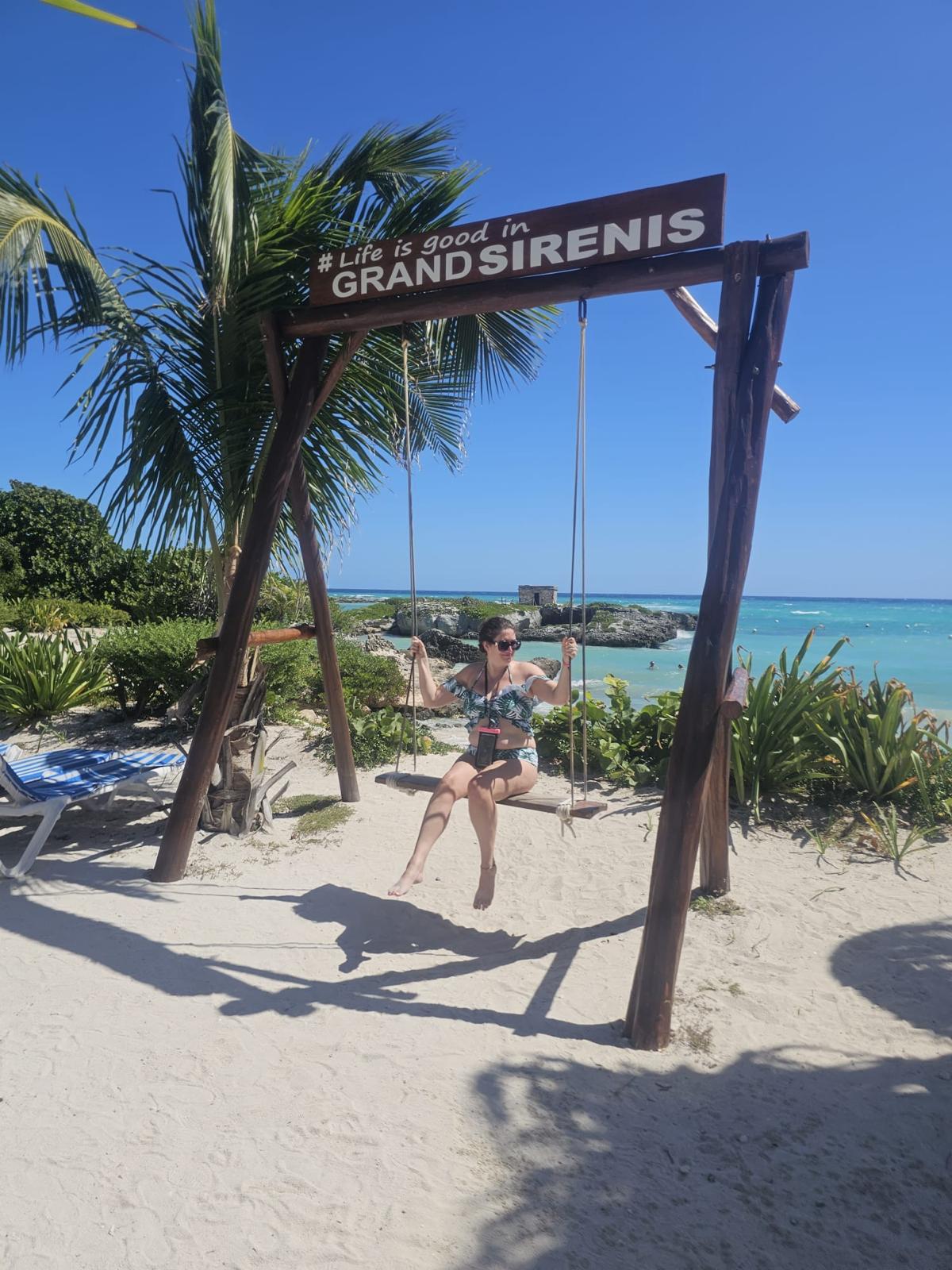
Staying at Grand Sirenis Riviera Maya Resort & Spa provided a spacious, contained environment that worked well for family travel. Having accommodation, food, pools, and beach access all on site reduced transitions and daily decision making, which helped keep days manageable.
From a neurodivergent perspective, support came primarily from scale, space, and repetition, rather than from formal programmes. The size of the resort allowed us to spread out, move away from busier hubs, and return to familiar areas each day without pressure. Pools and beach time became the anchor of most days, offering natural regulation through water and predictable routines.
Support was most noticeable in how easy it was to retreat. Quiet pool and beach areas existed away from central activity zones, and returning to the room for rest was straightforward whenever energy dipped. This made it possible to shape days around comfort rather than obligation.
At the same time, Mexico required intentional planning, particularly around excursions and heat. Sensory load varied significantly depending on location and activity, so choosing when and how to leave the resort mattered. Treating excursions as optional, time limited experiences and prioritising rest before and after helped maintain balance.
Overall, Mexico worked when the stay itself provided containment, and stimulation outside the resort was approached carefully and selectively.
What helped
• Large, contained resort layout that reduced transitions
• Access to quieter pool and beach areas away from main hubs
• Familiar spaces that could be returned to daily
• Easy retreat to the room whenever rest was needed
• Flexible pacing, with excursions treated as optional rather than expected
This structure allowed days to remain low pressure while still offering variety when energy allowed.
Things to See (Gently)
Mexico offers no shortage of experiences, but choosing carefully made the trip far more enjoyable for us. Allowing space between activities helped keep days balanced and supportive.
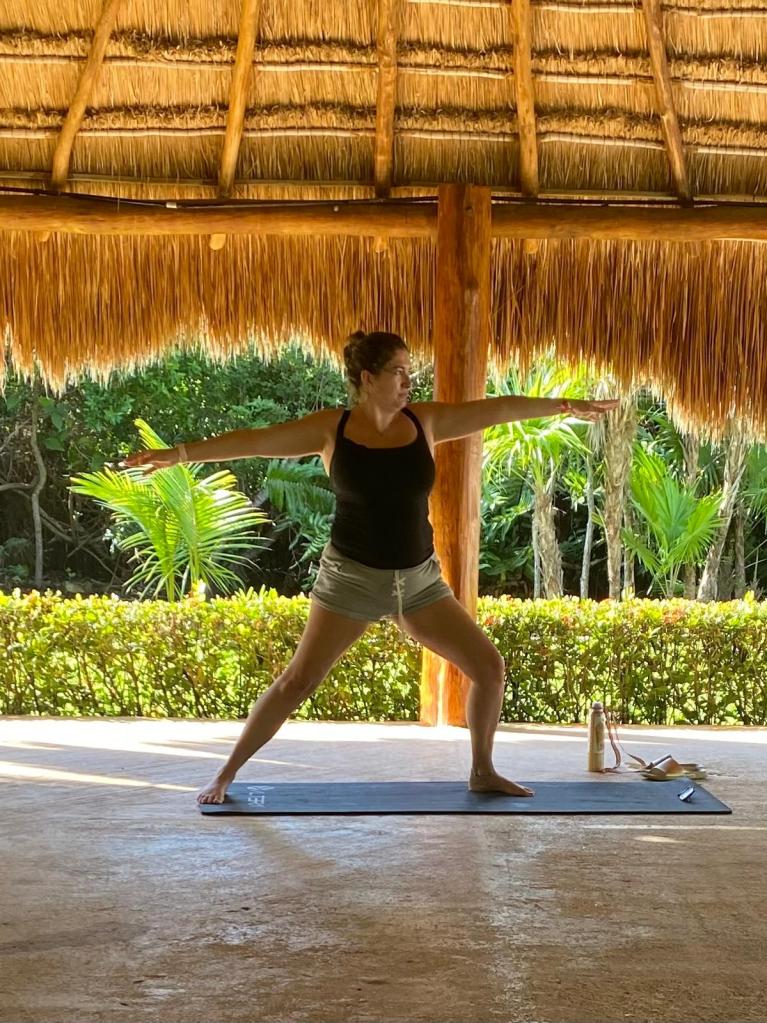
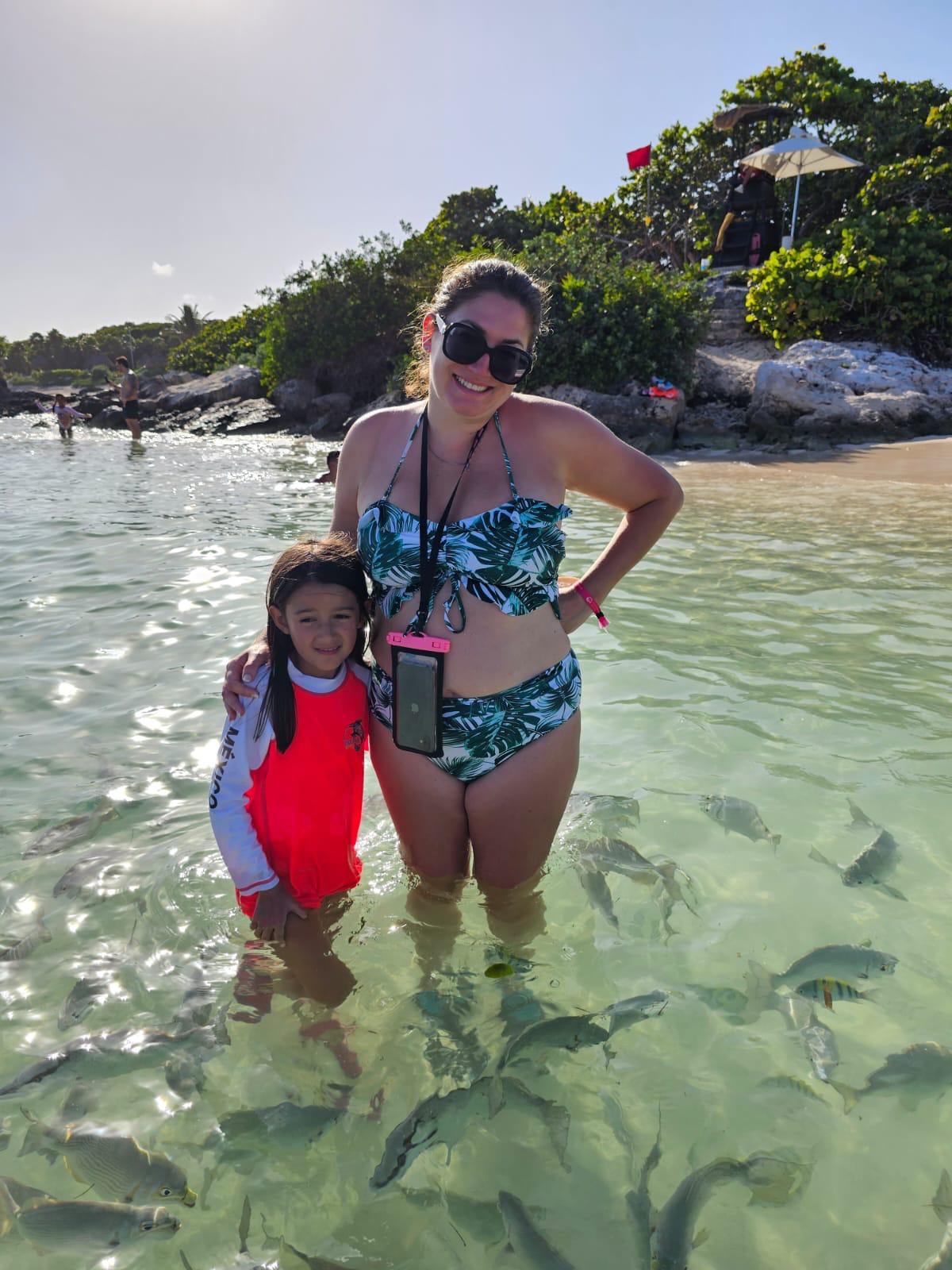
Spending time on the hotel beach offered calm and familiarity, with gentle moments in the shallows where fish gathered around our feet, creating a grounding, sensory rich experience without effort or planning. Yoga sessions provided another low pressure way to reset, offering quiet structure and space to stretch, breathe, and reconnect with the body in a calm environment.
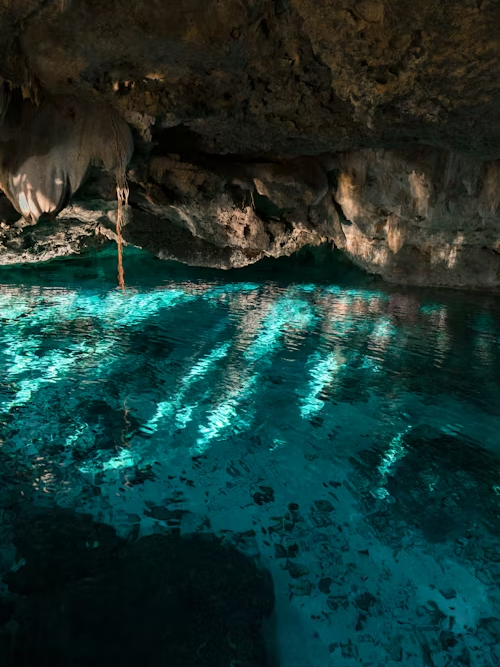
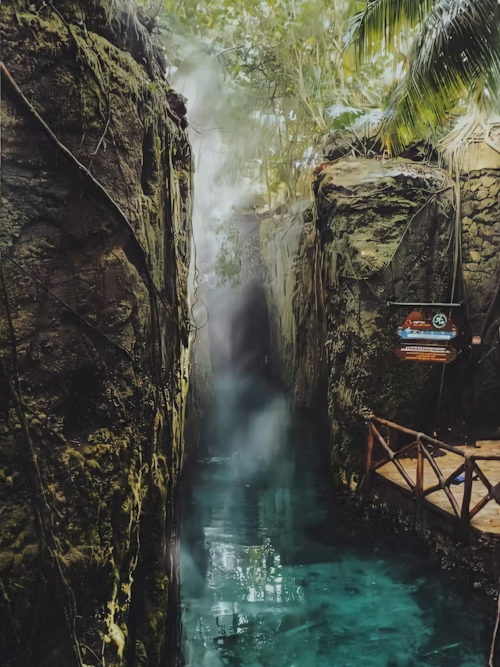
A guided visit to a cenote (a natural lake within a cave) was one of the most grounding experiences of the trip, particularly when approached slowly and with clear structure. We also visited Xcaret, which offered rich cultural and natural experiences when approached selectively. Treating the visit as a short, intentional outing rather than a full day, and choosing quieter areas within the park, helped manage sensory load and made the experience more enjoyable.
Experiencing Day of the Dead added depth and meaning to the journey. While visually rich and emotionally powerful, observing rather than fully immersing allowed the experience to feel respectful and manageable, with space to step away when needed.
Swimming with nurse sharks at Xcaret was a surprisingly regulating experience. The encounter was structured and closely guided, with slow moving sharks and clear boundaries, which made it feel contained rather than overwhelming. Being in the water reduced external noise and encouraged calm, focused movement, creating a grounding sensory experience rather than a high stimulation one. Treating it as a short, optional activity and leaving as soon as energy dipped helped keep the experience positive and manageable.
When, Where, and How Dubai Works Best
When Mexico works best
• November to April These months are cooler and drier, which reduces fatigue and sensory strain. Days feel more manageable and outdoor movement is easier.
• May can still work Warmer, but generally quieter than peak holiday periods if days are paced gently.
Hardest period
• June to October, due to heat, humidity, hurricane season risk, and higher stimulation from weather and crowds.
Where Mexico works best
• Resort based areas in the Riviera Maya Contained environments reduce transitions and decision making.
• Properties with spread out layouts Space allows families to move away from busy areas and regulate more easily.
• Beaches and pools away from main hubs Quieter zones early and late in the day are more supportive.
Areas that can feel harder
• Busy city centres
• Long travel days between multiple locations
• High intensity excursion heavy itineraries
How Mexico works best
• Stay in one main base rather than moving around
• Use resort facilities as anchor spaces between outings
• Plan excursions for early mornings and keep them time limited
• Return to familiar spaces after high sensory experiences
• Treat rest days as essential, not optional
Mexico becomes most manageable when stimulation is balanced with predictability and retreat.
What We’d Do Again & What We’d Do Differently
We would choose the same style of resort stay again and continue to rely on organised transfers and excursions. Keeping a consistent base and limiting the number of outings worked well.
Next time, we would allow even more rest days between experiences and continue to treat cultural exploration as optional rather than expected.
Alchemy Souls Calm Anchors for Mexico
• Contained resort scale
The size of the resort allowed us to move away from busy hubs and avoid feeling trapped in high stimulation areas.
• Quieter pools away from activity centres
Not all pools carried the same energy. Choosing calmer pools made swimming regulating rather than overwhelming.
• Water as a daily anchor
Pools and the sea became the default rhythm of the day, offering predictable, low demand regulation.
Final Thoughts
Mexico offers depth, beauty, and meaning when approached gently. Choosing a steady base, pacing experiences carefully, and allowing rest to lead transformed our family trip into something memorable rather than overwhelming.
At Alchemy Souls Travel, we assess destinations through lived neurodivergent experience combined with an understanding of sensory environments and daily realities. This guide reflects what worked for us not as a blueprint, but as a reference to help your family decide if Mexico might suit you and how to approach it in a way that feels calm, supportive, and sustainable.

 Alchemy Souls Travel