Cyprus
A Neurodiversity Informed Family Guide
Cyprus is well known for its warm Mediterranean pace, gentle seaside environments, and steady rhythms that suit many families looking to slow down rather than rush. For neurodivergent families, these qualities can be supportive when approached with intention.
This guide is written from lived neurodivergent family experience and informed by how environments, pace, and systems affect regulation, energy, and emotional safety. We focus on how destinations function day to day, what support exists in practice, and who a place may realistically suit.
Flights and Arrival
Flights to Cyprus are straightforward, and having transfers included removed a layer of decision making on arrival. Knowing transport was already arranged meant the transition from airport to accommodation felt contained and predictable. Arriving directly into the resort environment helped signal a clear shift in pace. Keeping the arrival day unstructured, with time to unpack, orient, and rest, made settling in easier and supported regulation from the outset.
Getting Around Cyprus
For this trip, we relied on included transfers and stayed largely within the resort area. This reduced the need for navigation, driving, or managing unfamiliar routes, keeping daily energy demands low. Treating off site travel as optional rather than essential supported flexibility. Remaining settled in one place allowed routines to form and reduced sensory load from frequent transitions.
Structure and Daily Rhythm
Cyprus naturally supports a slower daily rhythm. Days worked best when shaped around one gentle focus, usually time by the water or a relaxed meal, rather than multiple activities. Mornings felt calmer, while afternoons suited quieter pursuits or short beach visits. Treating days as flexible rather than full helped preserve energy and maintain a sense of ease.
Sensory Considerations
Cyprus is generally a lower sensory destination, particularly when approached with intention. Heat can build during the middle of the day, and some beaches become busier in peak season. What helped most was favouring early mornings and late afternoons, staying close to shade and water, and repeating familiar routines to reduce sensory demand.
Where We Stayed
Our Stay and Support in Practice
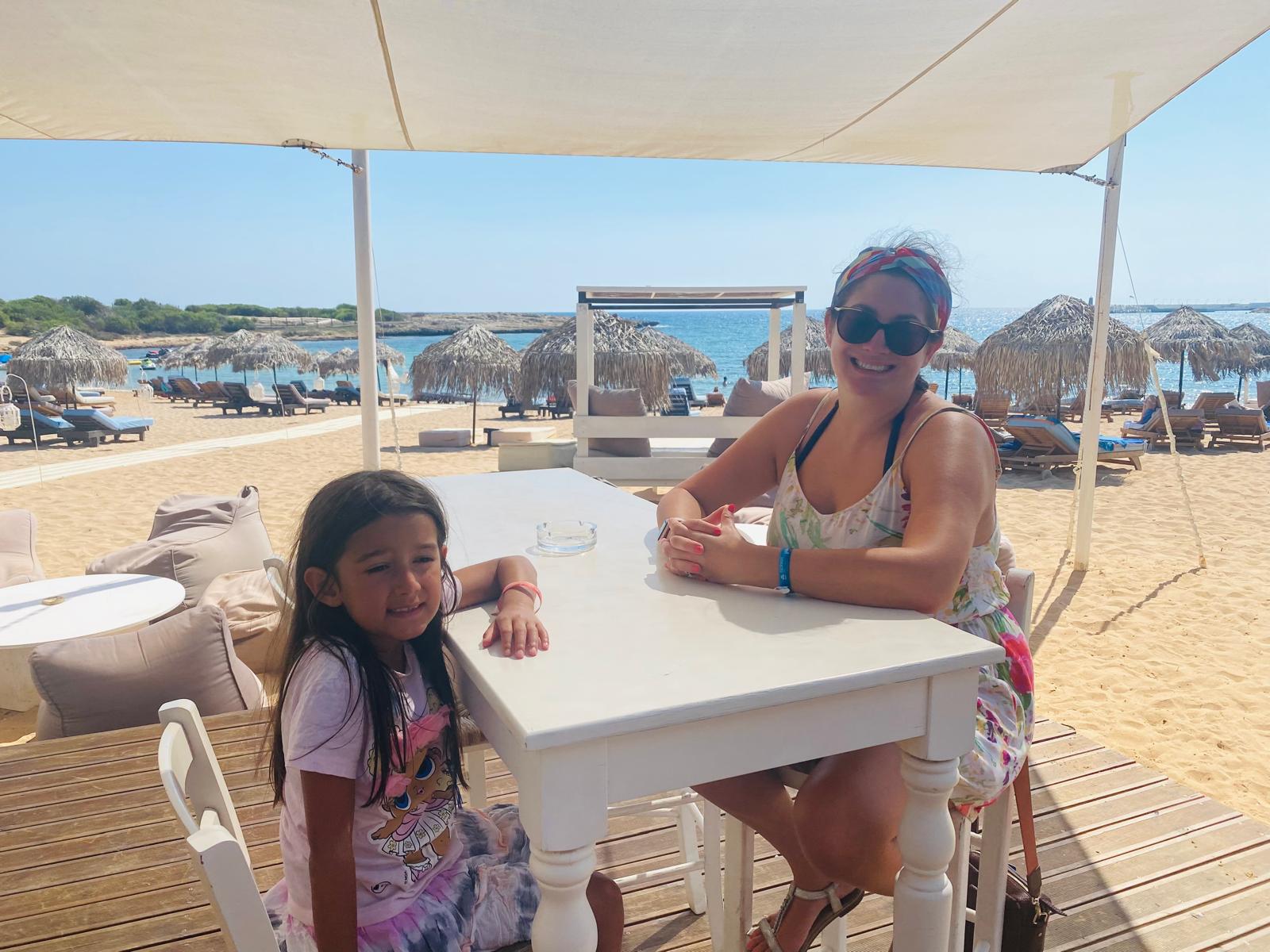
Staying at Dome Beach Hotel & Resort gave us a calm, familiar base that worked well for family travel. Days felt unhurried, and the environment made it easy to settle quickly without needing to plan or navigate constantly.
From a neurodivergent perspective, support came from predictability, proximity, and ease of movement, rather than from formal programmes or adjustments. The resort sits in a quieter coastal area and is designed so that rooms, pools, dining, and the beach are all within short walking distance. This reduced transitions and helped keep days low demand and manageable.
Returning to the same places each day supported comfort and routine. Time by the water, whether at the beach or the pool, became a grounding part of our rhythm and helped the whole family regulate without pressure. There was little expectation to move around or do more, which made it easier to respond to energy levels as they changed.
Overall, Cyprus felt like a place where doing less was not only possible, but expected. Calm came from repetition, simplicity, and staying close to familiar spaces rather than from structured activities or schedules.
What helped
• Direct access to a calm, open beach with space to spread out
• Resort layout that kept rooms, pools, and dining close together
• Predictable daily rhythm with no urgency to move around
• Easy return to the room whenever rest was needed
These elements worked together to reduce sensory and cognitive load without requiring explanation or advocacy.
Things to See (Gently)
In Cyprus, the most supportive experiences came from staying close to the water and allowing days to remain simple. Focusing on familiar, low-pressure environments helped maintain a steady rhythm without the need to constantly move or plan.
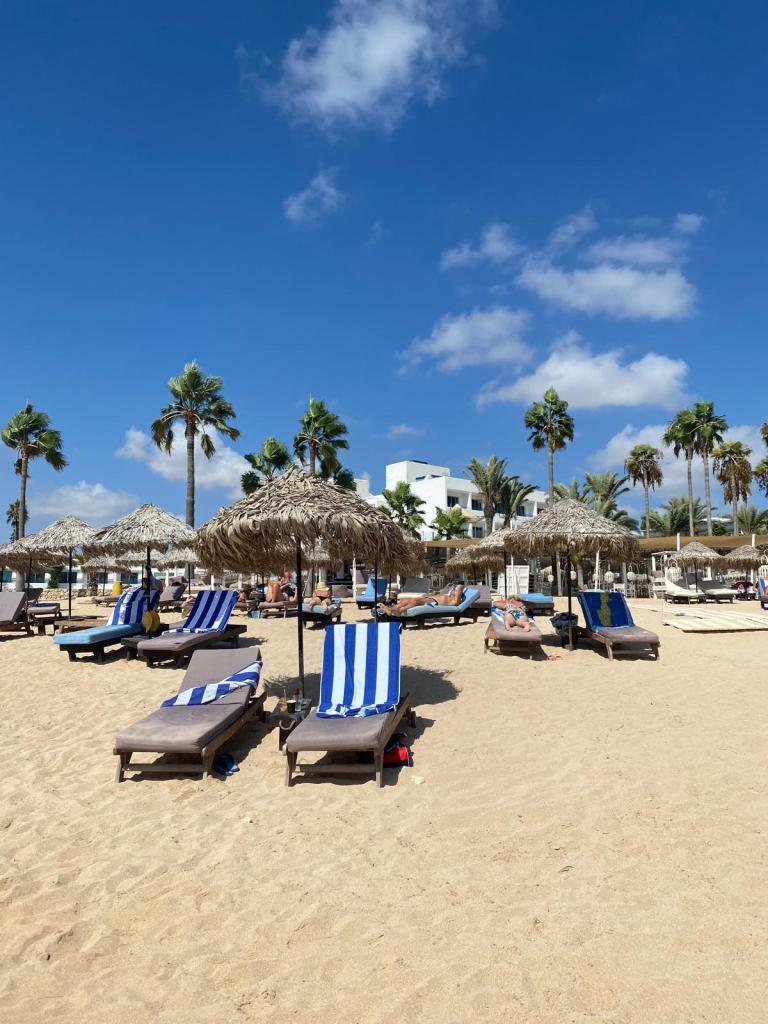
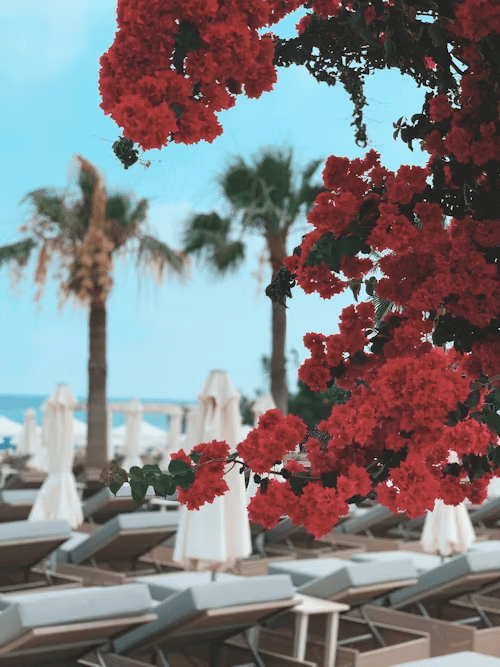
Spending time by the beach, with gentle swimming or paddling, offered natural calm and an easy way to regulate throughout the day. Time around the pool also worked well, allowing rest, shade, and repetition without needing to leave the resort.
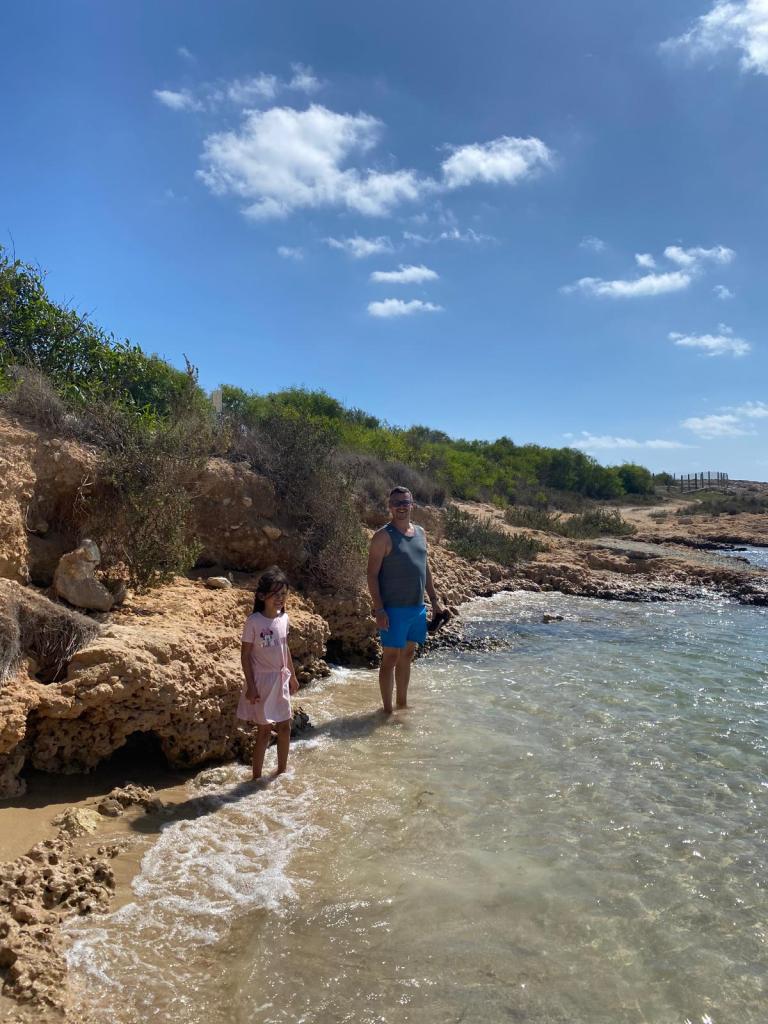
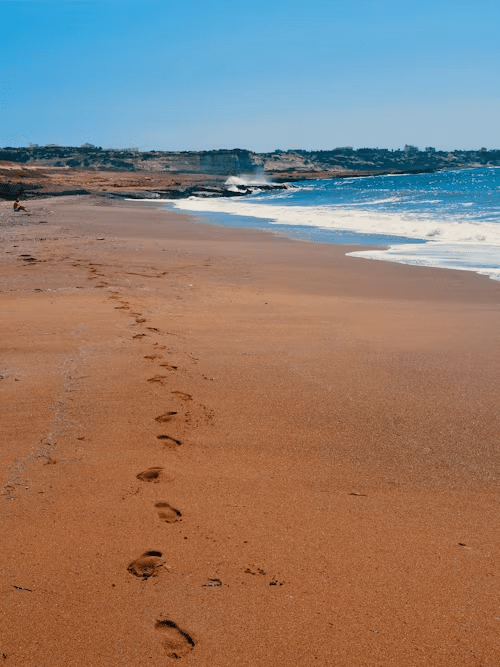
Short, optional outings nearby provided a change of scenery without committing to full day excursions. Gentle coastal walks or brief local visits worked best when approached flexibly, with the option to return easily if energy levels dropped.
When, Where, and How Cyprus Works Best
When Cyprus works best
• April to early June • Late September to October
These months are warmer without being overwhelming, with fewer crowds and a slower overall pace. Beaches, restaurants, and resorts feel calmer and less pressured.
Hardest period • July and August, due to heat and higher visitor numbers, especially around popular coastal area
Where Cyprus works best
• Resort based coastal areas Contained environments reduce transitions and daily decision making.
• Quieter beaches outside main hubs Less noise, fewer crowds, and easier exits if energy dips.
• Walkable resort locations Being able to move slowly on foot and return to accommodation easily supports regulation.
Areas that can feel harder • Busy town centres in peak summer • Areas requiring frequent driving between locations.
How Cyprus works best
• Stay in one base rather than moving around • Choose resort style accommodation with food and facilities on site • Plan days around water and rest, not activities • Use early mornings and evenings for outings • Treat midday heat as downtime
Cyprus supports calm best when routines are simple and days are not overfilled.
What We’d Do Again & What We’d Do Differently
We would choose a similar resort based stay again and continue to rely on transfers rather than driving. Staying settled in one place and keeping plans light worked well.
Next time, we would maintain the same gentle approach, prioritising rest and water based days over additional sightseeing.
Alchemy Souls Calm Anchors for Cyprus
• Reset space
Returning to the same shaded areas and familiar beach spots each day provided a reliable sense of safety and predictability
• Low demand activity
Repeating the same gentle routine of beach, pool, and rest reduced decision fatigue and supported emotional regulation
• Fast exit option
The ability to return to the room within minutes from all shared areas meant we could step away as soon as stimulation began to build
Final Thoughts
Cyprus offers a calm, steady environment for family travel when approached with intention. By allowing routine, rest, and simplicity to lead the experience, the destination can feel supportive rather than demanding.
At Alchemy Souls Travel, we assess destinations through lived neurodivergent experience combined with an understanding of sensory environments and daily realities. This guide reflects what worked for us not as a rulebook, but as a reference point for families considering whether Cyprus might suit their needs and how to approach it in a way that feels manageable, kind, and restorative.
Building calmer travel, together
Our destination guides help individuals and families find places that genuinely support regulation and wellbeing. We also collaborate with travel operators who value inclusive, thoughtful experiences and want their spaces reviewed with care and honesty.
 Alchemy Souls Travel